
Worm bin or backyard pile? A simple guide to picking the right compost setup for your family, inspired by what we learned at Fremont Earth Day.
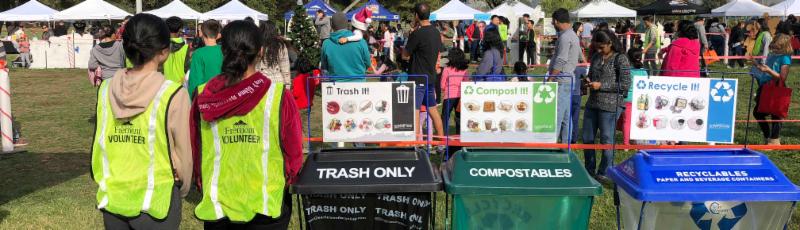
At the City of Fremont’s Earth Day, our team stopped by a booth that had kids and parents leaning in close: a bin full of worms turning kitchen scraps into rich, dark soil. It was one of those small moments that shows how a simple habit can make a big difference.
Composting is the easiest way for a family to start building soil instead of filling landfills. The good news: you don’t need a farm, or even a yard. You just need to pick the setup that fits your home. Here’s how to choose between the two most popular options, worm bins and backyard piles.
Why compost at all?
Healthy food starts with healthy soil. As we wrote in Designing With Nature, Not Against It, nutrient-dense food depends on living soil, and living soil depends on practices like composting.
When food scraps go to a landfill, they break down without oxygen and release methane, a powerful greenhouse gas. When they go into a compost bin, they become food for the soil microbes that feed your plants. Same banana peel, very different outcome.
For kids, composting is also a living science lab. They get to watch decomposition, nutrient cycles, and whole ecosystems at work, right outside the back door.
Option 1: The worm bin (vermicomposting)
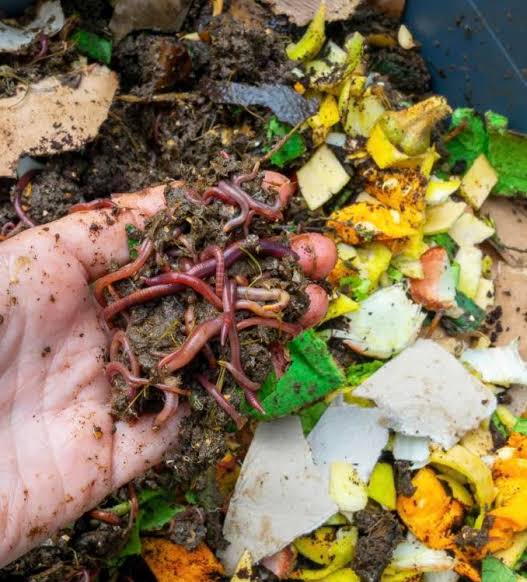
A worm bin is a covered container where red wiggler worms eat your food scraps and turn them into castings, one of the richest soil amendments you can give a garden. This is the setup we saw in action at Earth Day, and it’s the one kids usually fall in love with.
How it works:
- Start with a plastic or wooden bin with air holes and a lid. A two-tray stacking bin makes harvesting easier.
- Add moist bedding: shredded newspaper, cardboard, or coconut coir, damp like a wrung-out sponge.
- Add red wigglers (not garden earthworms). About 1 pound of worms is a good start for a family of four.
- Bury small amounts of chopped scraps under the bedding a few times a week.
- Harvest the dark, crumbly castings every 3 to 4 months.
Best for: apartments, townhomes, small patios, classrooms, and families who want a hands-on project for kids.
Watch out for: overfeeding (the number one cause of smells and fruit flies), and extreme heat. Keep the bin in the shade or indoors during hot spells.
Option 2: The backyard pile
A backyard pile (or enclosed bin) relies on bacteria and fungi instead of worms. It handles far more volume, including yard waste, and needs little daily attention.
How it works:
- Pick a level, partly shaded spot on bare soil. A pile about 3 feet wide, deep, and tall holds heat well.
- Layer “browns” (dry leaves, straw, cardboard) and “greens” (food scraps, grass clippings). Aim for roughly 2 to 3 parts browns to 1 part greens.
- Keep it as moist as a wrung-out sponge.
- Turn it with a pitchfork every week or two to add oxygen and speed things up.
- Finished compost is ready in about 2 to 6 months if you turn it often, or 6 to 12 months if you mostly let it sit.
Best for: families with a yard, lots of leaves and garden trimmings, or a vegetable garden that needs a steady supply of compost.
Watch out for: a pile that’s too wet (slimy and smelly, add browns) or too dry (nothing happens, add water and greens). Use a closed bin if rodents are a concern.
What goes in, what stays out
Yes, for both: fruit and veggie scraps, coffee grounds and paper filters, tea leaves, crushed eggshells, plain paper and cardboard.
Yes, for piles only: leaves, grass clippings, small twigs, and plant trimmings.
Go easy in worm bins: citrus, onions, garlic, and spicy foods. Worms don’t like them.
Keep out of both: meat, fish, dairy, oils and greasy food, pet waste, and diseased plants. These attract pests and cause odors.
Make it a family project
Composting sticks when everyone has a job.
- Ages 4 to 7: carry the kitchen scrap pail, tear newspaper for bedding, and say hi to the worms.
- Ages 8 to 12: chop scraps, check moisture, and keep a simple log of what goes in each week.
- Teens: manage the pile temperature with a compost thermometer, troubleshoot smells, or build a sensor setup to track temperature and moisture. Our students have done just that with Raspberry Pi in our mushroom farming class.
Start this weekend
You don’t have to wait for next Earth Day. Pick one setup, gather a bin and some cardboard, and start saving scraps this week. In a few months, you’ll have homemade compost ready for your garden. Check our Fremont Planting Guide for what to grow in it.
Want to dig deeper? Our new Climate Roots School Chapters will bring community composting and garden projects into Bay Area schools. Get involved or volunteer with us.
Keep calm and keep composting!

