
Author: Ananya Emma Malik
TLDR; one specific lavender oil capsule, sold as Silexan, has solid trial evidence for reducing anxiety, and better sleep seems to follow from that calmer state. Lavender aromatherapy, sachets, and sprays have much weaker evidence.
Why lavender belongs in the garden
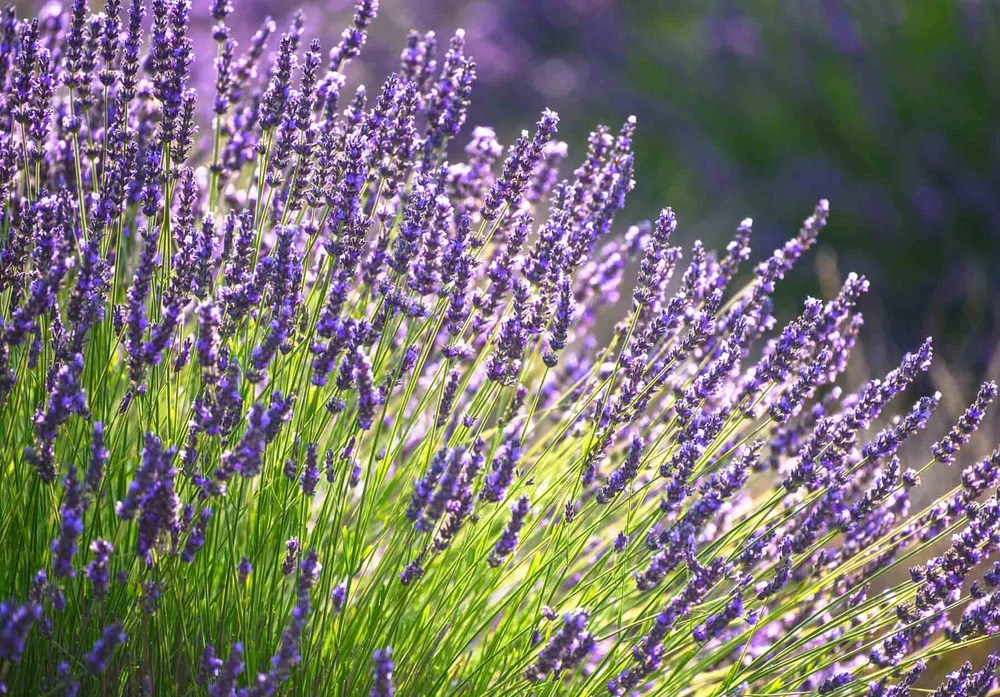
Lavender is tough, drought-tolerant, and loved by bees. For Garden Rx, it is also a sensory plant: brushing your hand across it releases its scent, which makes it a natural conversation starter between teen and senior partners. Its reputation as a calming herb goes back centuries. The question is whether science backs that up.
Two very different kinds of lavender research
- Lavender you smell (aromatherapy). NIH’s NCCIH says it is unclear whether lavender aromatherapy helps anxiety, stress, depression, pain, or sleep. Studies tend to be small, and it is hard to run a fair test when everyone can smell which group got the lavender.
- Lavender you swallow (Silexan). Silexan is an 80 mg capsule of standardized oil from Lavandula angustifolia, studied in multiple randomized, placebo-controlled trials, offers a much stronger evidence.
What the Silexan trials found
- Anxiety: a 2019 meta-analysis found a meaningful calming effect in people with milder, below-diagnosis anxiety over 10 weeks. Other trials found benefits in diagnosed generalized anxiety disorder, with one review reporting results comparable to a low starting dose of the prescription drug lorazepam.
- Sleep: sleep improved in these trials, but an analysis found that over 98% of the sleep benefit came through reduced anxiety. In other words, lavender helped people worry less, and they slept better as a result. It does not act like a sleeping pill.
- No grogginess: the trials did not find sedation, and side effects were mostly mild burping and stomach upset.
Much of this research was funded by or connected to the manufacturer, and the authors noted that the results cannot be assumed for other lavender products.
What this means at home
A lavender sachet on your pillow is unlikely to cause harm and may be pleasant, but it has not been shown to treat anxiety or insomnia. Good sleep habits, daylight, movement, and social connection, the same things Garden Rx is built around, have stronger evidence for both.
Safety notes
- Lavender oil is not safe to drink straight; only use products designed to be taken by mouth.
- Lavender oil on the skin can cause irritation in some people.
- Anyone with ongoing anxiety or sleep problems, or who takes sedatives or other mental health medications, should talk with a doctor before adding a supplement.
The bottom line
Lavender is a beautiful garden plant with a surprisingly real research story, but only for one carefully studied form. Enjoy the scent in the garden; leave treatment decisions to you and your doctor.
Sources
- Lavender: Usefulness and Safety, NIH NCCIH
- Efficacy of Silexan in subthreshold anxiety: meta-analysis of randomised, placebo-controlled trials, 2019
- An orally administered lavandula oil preparation (Silexan) for anxiety disorder and related conditions, International Journal of Psychiatry in Clinical Practice, 2013
- Effect of Anxiolytic Drug Silexan on Sleep: A Narrative Review, Psychopharmacology Institute
- Silexan in anxiety, depression, and related disorders, European Archives of Psychiatry and Clinical Neuroscience, 2024

