
Author: Ananya Emma Malik
TLDR; ginger has real but modest evidence for easing nausea, strongest in pregnancy and weaker for other causes. It is a reasonable kitchen remedy for mild nausea, not a replacement for medical care.
A root with a long resume
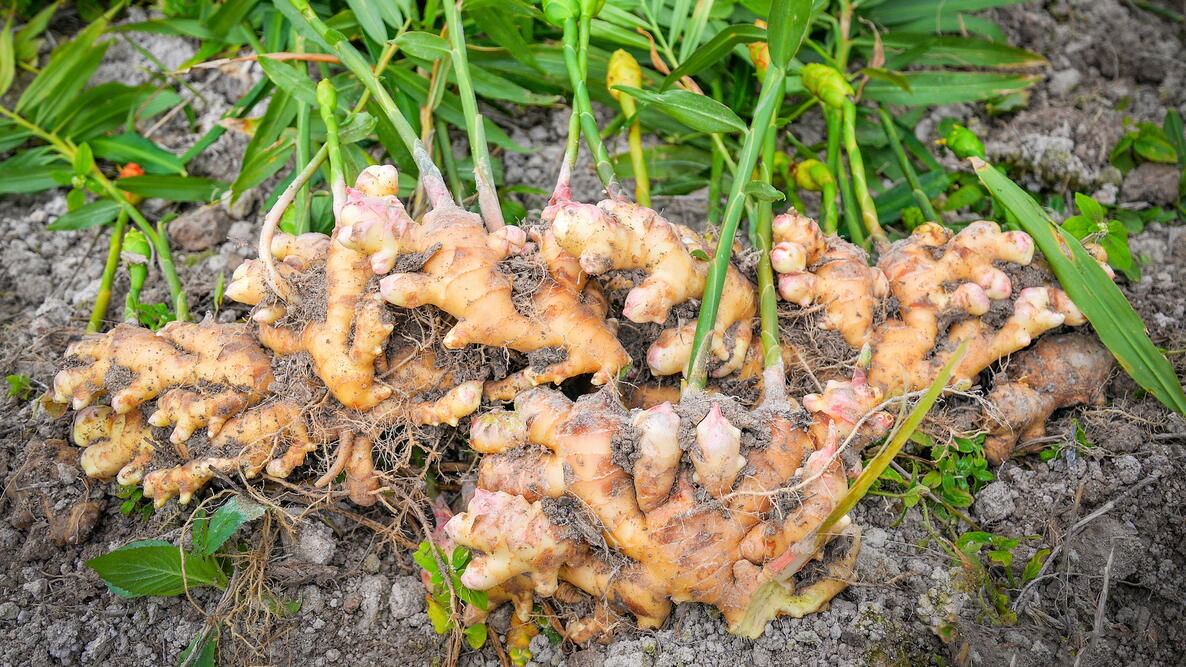
Ginger is the knobby underground stem (a rhizome) of a tropical plant. Ancient Sanskrit, Chinese, Greek, Roman, and Arabic texts all describe it as a remedy, especially for upset stomachs. In our Garden Rx sessions, it shows up most often as a warm cup of ginger tea during the social close.
But “people have used it for thousands of years” is not the same as “it works.” So what does modern research say?
What is inside ginger
The compounds that give ginger its bite, called gingerols and shogaols, are also the ones scientists think act on the gut. Researchers believe they may calm stomach muscle activity and affect the signals that trigger the urge to vomit. The exact mechanism is still being studied.
What the evidence says
- Pregnancy nausea: the best evidence. Several clinical trials and reviews find ginger reduces morning sickness more than a placebo. Obstetricians often list it as a non-drug option worth trying. A 2023 Cochrane review still rated the overall study quality as low, so the benefit is likely real but modest.
- Chemotherapy nausea: mixed. Some studies show ginger helps when taken alongside standard anti-nausea medicine. Others find little added benefit. It is an add-on to discuss with the care team, never a substitute.
- Motion sickness and other causes: unclear. The NIH says there is not enough evidence to know whether ginger helps nausea from motion sickness or other causes.
Fresh root vs. supplements
Most studies used measured ginger capsules, not tea or candy. A cup of fresh ginger tea contains far less, and the amount varies from cup to cup. That does not make tea useless, but it means research results do not translate directly to your kitchen.
Growing ginger in the garden
Ginger loves warmth, humidity, and partial shade. Plant a fresh, plump piece of store-bought root with visible “eyes” just under the soil surface, keep it moist, and harvest in 8 to 10 months. It is a fun, slow project for teen and senior partners to tend together.
Safety notes
- Ginger can cause mild heartburn, gas, stomach discomfort, or diarrhea.
- Talk with a doctor before using ginger supplements if you are pregnant, take blood thinners, or have diabetes.
- Nausea that lasts more than a day or two, or comes with severe pain or vomiting, needs medical attention.
The bottom line
Ginger is one of the better-studied garden remedies. For mild nausea, especially in pregnancy, it is a sensible thing to try. For anything serious, it belongs alongside medical care, not in place of it.
Sources
- Ginger: Usefulness and Safety, NIH NCCIH
- The Effectiveness of Ginger in the Prevention of Nausea and Vomiting during Pregnancy and Chemotherapy, Lete and Allué, Integrative Medicine Insights, 2016

