PS #26.5: Continuing The Greenhouse

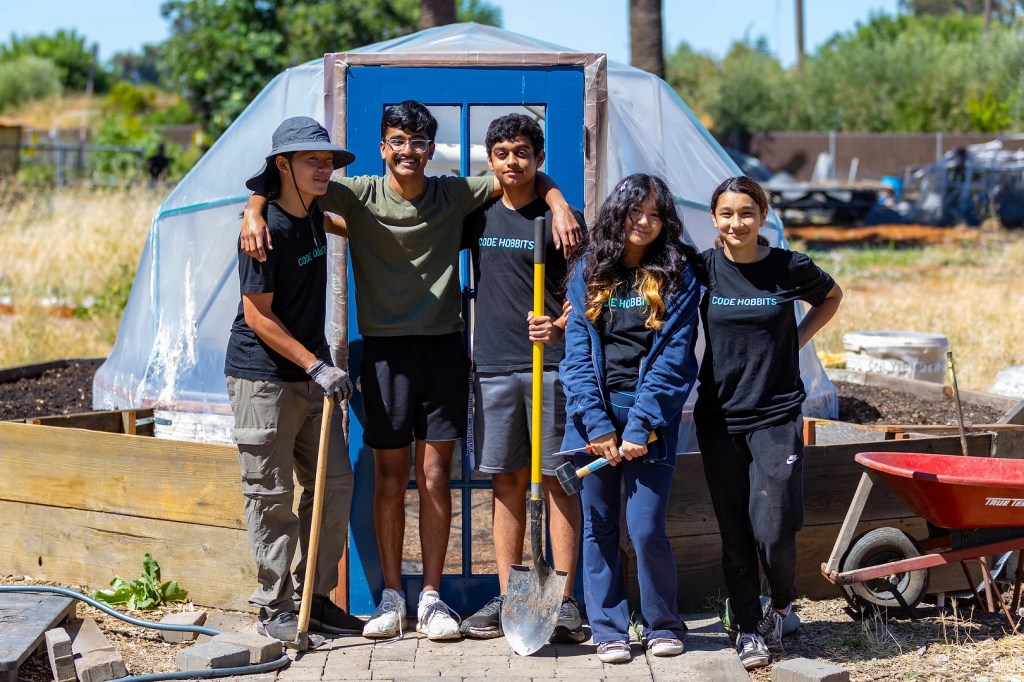
It was a big jump from PS #26 to PS #27, and we, Kenric and Arin, want to catch you all up onto the work that has been done on the greenhouse.

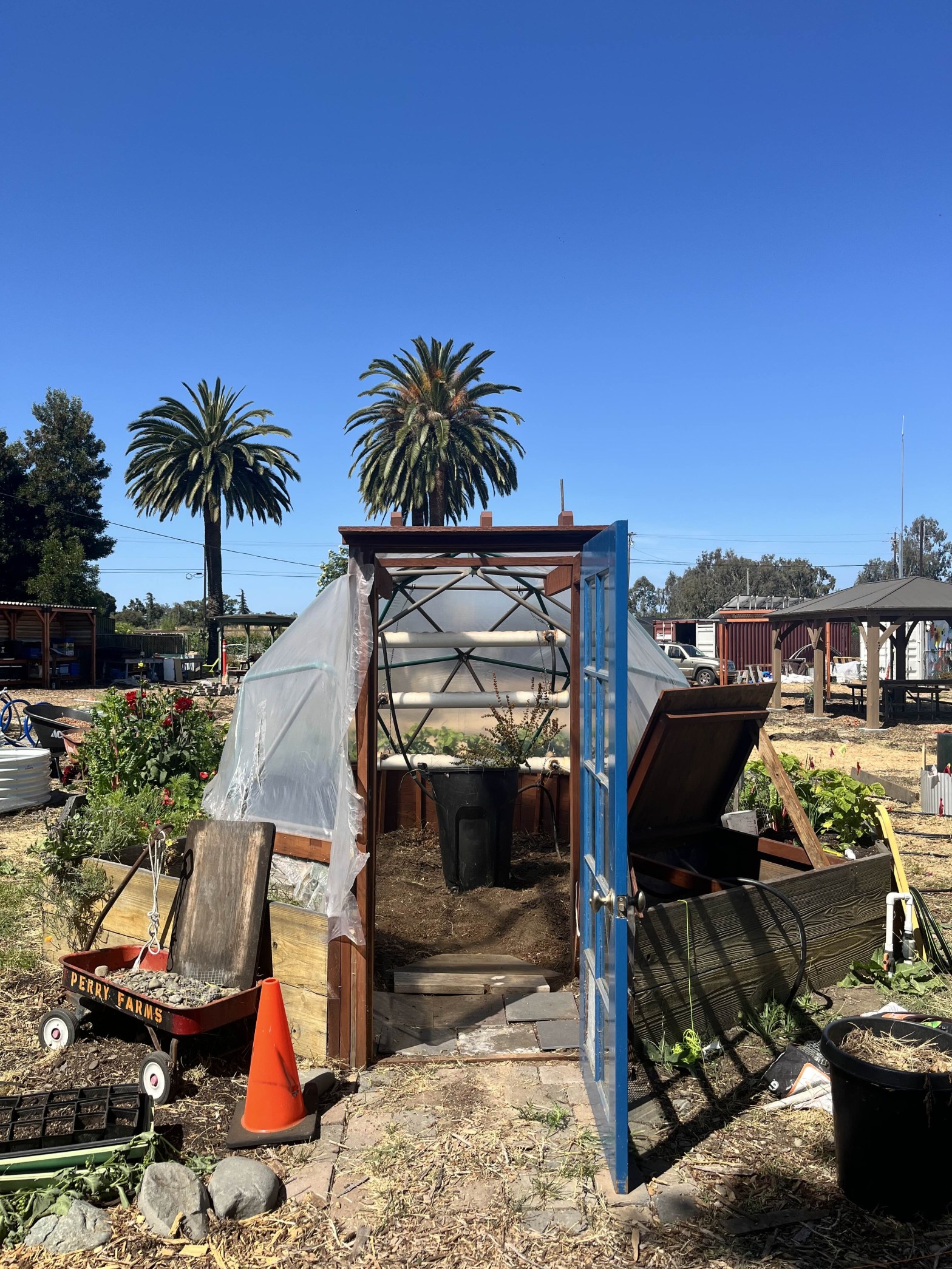
Starting from the first addition, a computer fan. Since the summer weather makes the greenhouse really hot for the plants, and even more uncomfortable to work inside of it, we decided to install a solar powered fan to cool it down. Unfortunately, we underestimated the size and power of the fan, leading the greenhouse to still get really hot in the summer.

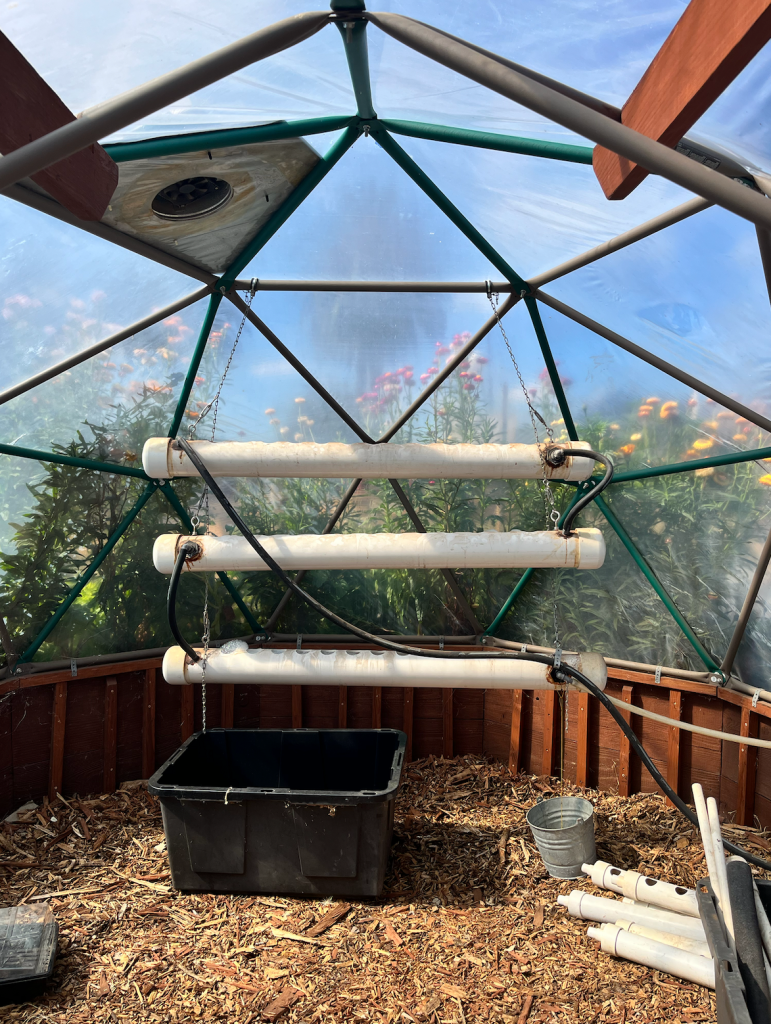
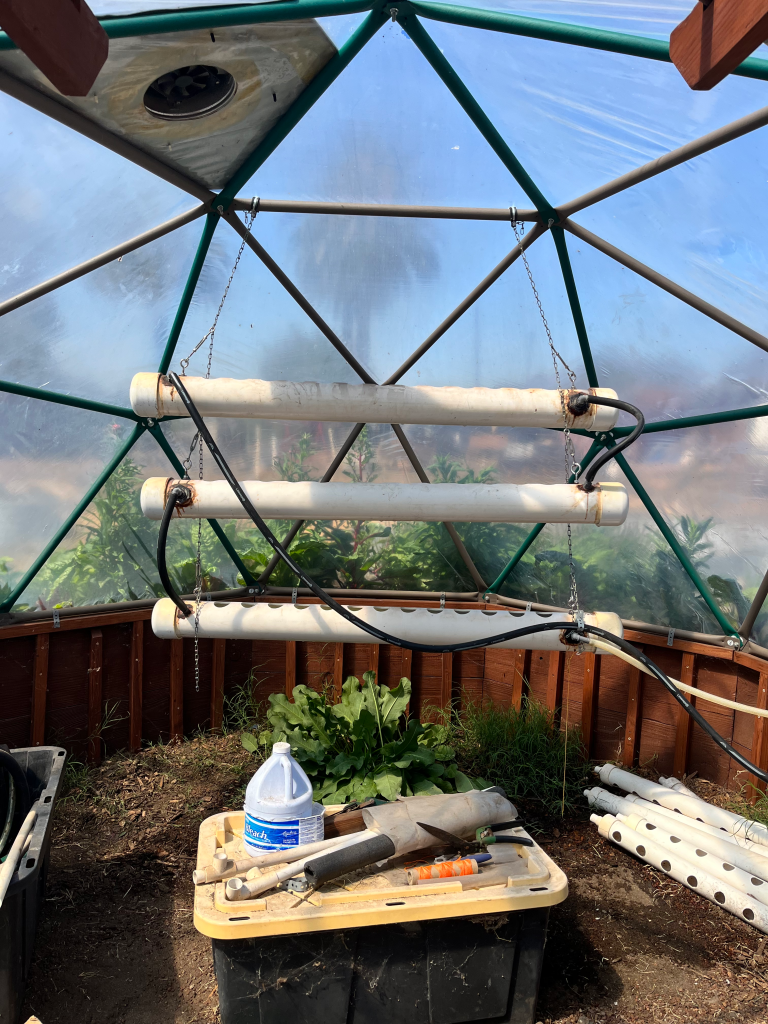
Next, and the most important part, the hydroponics system. After much trial and error, we got a working system that takes water from a container outside of the greenhouse, through 3 pipes inside the greenhouse and back outside to the container.

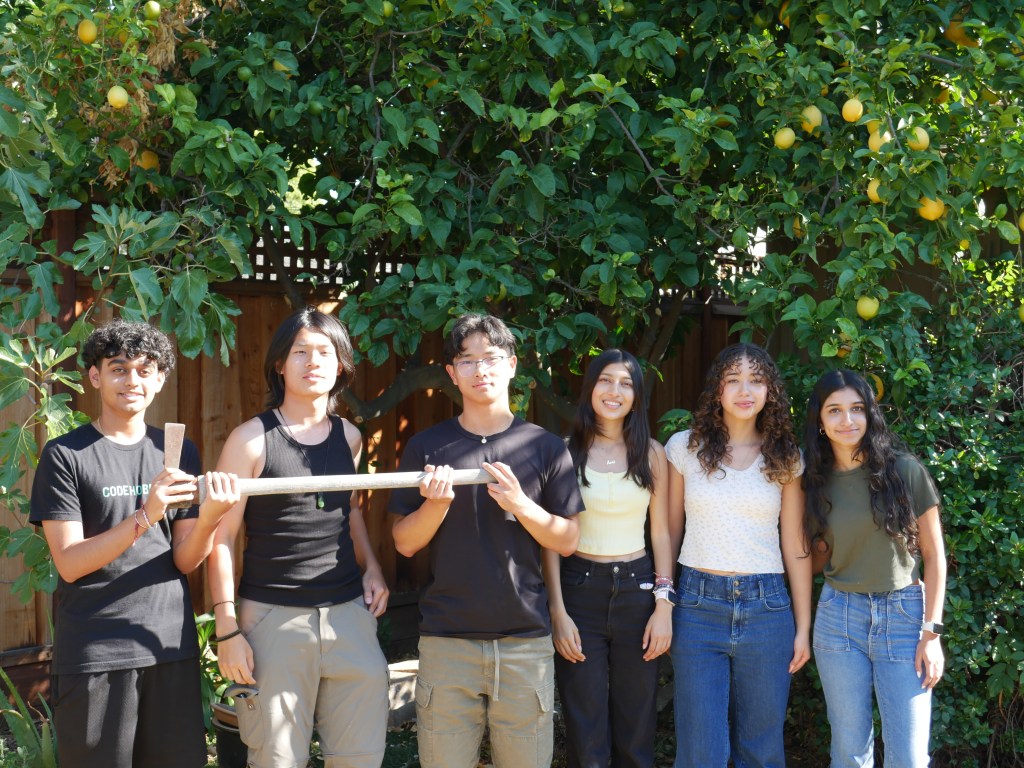
Lastly, since we wanted this greenhouse to be as self sufficient as it could, we didn’t want to rely on DC energy. Our solution to this was to mount a solar panel outside of the greenhouse to provide solar power to the pump during the day, and connect a battery to the solar panel to keep it running during the night. We found a pole we could use to mount the panel, but it was too short and we wanted the solar panel to be out of reach from people who tried to steal it. Jerry welded another pole to it to give it extra height and more metal pieces to make a frame for the panel to lie on. Once the pole was welded, we dug a hole around 4 feet in depth, inserted the pole inside of it, and filled the hole with concrete to keep it in place. Finally, we threaded the wires through the pole and under the greenhouse to come up into the water container for the hydroponics, where the battery and water pump will be.

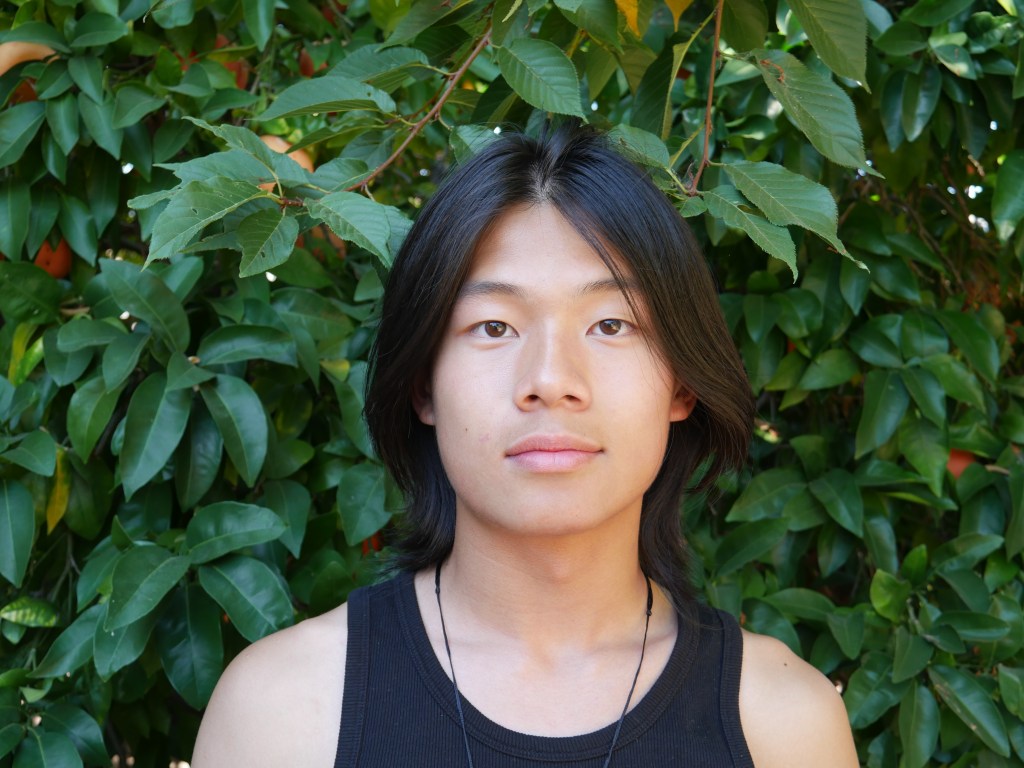
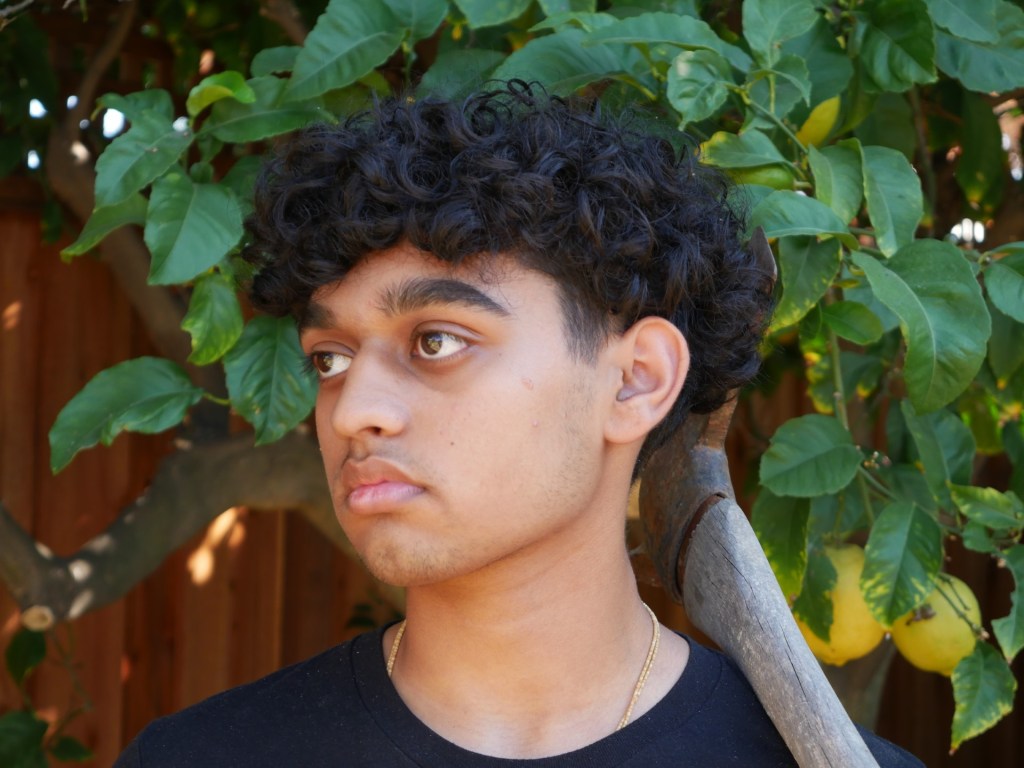
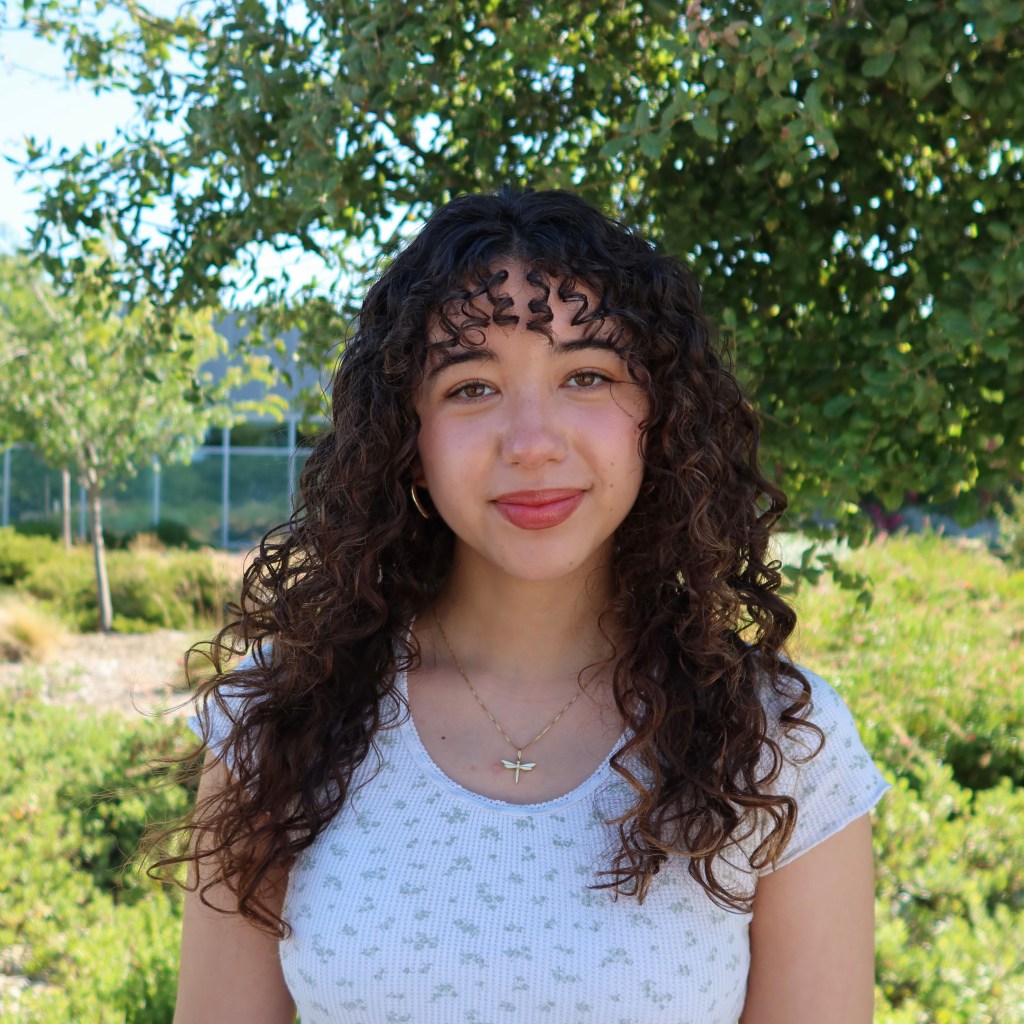
Now that we have graduated high school, Kenric and I, Arin, will be leaving Climate Roots. This has been a long journey for us. Over the years we have learned skills that we never would have without this project. Working with an amazing group of people, we have accomplished so much and we are so proud of how the greenhouse stands today. But the work on the greenhouse isn’t over yet. Our new recruits Arjun and Pradyun will be taking our place and finishing the greenhouse to grow lettuce and other crops to be donated to our local food banks.

As always, keep calm and keep growing!

Sprouting Innovation: Our High-Tech Mushroom Farming Pilot Class 

We’re thrilled to announce the launch of our newest project at Climate Roots: a hands-on pilot class series where students will build their own small-scale, high-tech mushroom farms using Raspberry Pi and environmental sensors. This initiative brings together sustainable agriculture, programming, and environmental education—giving young people the tools to innovate for the planet’s future. 

Why Mushrooms? Why Now? 

This course is more than just fungi and fun—it’s about empowering youth with skills in agtech, a field critical to addressing the environmental challenges of tomorrow. Through this 4–6 class course (mix of online and in-person), participants will learn: 

  • How mushrooms grow and what conditions they need 
  • How to build a terrarium with humidity and temperature sensors 
  • How to program Raspberry Pi to automate the mushroom growth process 
  • How to store, organize, and analyze environmental data 

All while building a functioning mushroom farm prototype.  

Budget & Materials 

We’ve set aside a budget of $3000 for the pilot. A lot of the necessary materials have already been sourced, but the budget will cover: 

  • Additional Raspberry Pi units and sensor kits 
  • Cameras for growth capture 
  • Soil, mushroom spawn, and containers 
  • Outreach materials (flyers, posters, ads) 
  • Miscellaneous workshop supplies 

We’re confident this amount will be enough to run a high-impact pilot program, with minimal waste and maximum engagement. 

Class Breakdown 

Here’s how the pilot class is structured: 

Class 1 (In-Person): Introductions, project overview, Raspberry Pi basics, and setup 
Class 2 (In-Person): Installing pH, temperature, and humidity sensors; attaching camera module 
Class 3 (Online): Python programming for automation and data logging 
Class 4 (Online): Compiling sensor data and preparing the digital environment 
Class 5 (In-Person): Preparing the terrarium and planting mushroom spawn 
Class 6 (In-Person): Final presentations and reflection on tech, sustainability, and next steps 

Class Size: 6–10 students 
Locations: Mix of online and local in-person workshops (possibly local library or a maker space) 

Why Raspberry Pi? 

Yes, we’re aware of the current Raspberry Pi shortages. But here’s the deal: Raspberry Pi remains the most reliable and well-supported platform for this type of prototyping.  

The Bigger Picture 

This project isn’t just a one-time class—it’s a testbed for future Climate Roots programs. By piloting this course, we’re exploring a scalable method to introduce youth to environmental engineering and sustainable tech. Future courses could tie directly into larger initiatives, like building greenhouse domes or running school-based agtech programs. 

This effort also reflects the heart of Climate Roots’ mission: educating and empowering young people to take real action for the planet. It’s low-cost, high-impact, and deeply aligned with our values. 

Final Thoughts 

We’re excited to grow something real—literally and figuratively. From spore to sprout, we’ll be documenting every step of this journey. Stay tuned for updates, videos, and student stories as our mushrooms grow and so do we. Let’s build the future, one mushroom at a time. 

PS #27: Greenhouse Revamp

Meeting the Team Behind the Greenhouse 

Our journey began with a tour of the greenhouse, guided by the original creators, Arin, Avni, Emma, Kenrick and Zyanya. They walked us through their process of building the structure and shared insights into their timeline and vision. We also met Jerry, our mentor and a Board Member of the LEAF organization, who has been a constant presence and an incredible help as we carry out our work. 

Inspired by their passion and dedication, we committed to weekly Sunday work sessions to restore and improve the greenhouse step by step.  

The Team 

The greenhouse team is comprised of 3 people now: Me (Arjun), Pradyun, and Erika.  

First Steps: Cleaning and Maintenance 

In our first session, Pradyun and I (Arjun) focused on getting a handle on the overgrowth in the greenhouse. We weeded and cleaned the interior, giving special attention to the tub that holds the pump. We also removed all the damaged weed cloth inside the greenhouse, clearing the way for future improvements. 

Solar Connections and Gopher Protection 

During our next session, we turned our attention to powering the hydroponic system. A solar panel had already been installed, but it wasn’t yet connected to the rest of the system. We extended the solar panel wiring and learned valuable new skills in attaching and securing wires. After that, we installed fresh weed cloth in the pump area and added a layer of wire mesh to prevent gophers from digging through. 

Power System Challenges and Solutions 

With the solar panel in place, we focused on setting up a reliable power system. We built a custom shelf to safely house the battery. However, we soon realized the battery had only one socket for each wire—posing a challenge since both the solar panel and the pump needed to connect. To resolve this, we found the connector that allowed all components to work together. 

Getting the System Flowing 

When we first ran the pump, we hit a new hurdle: the system didn’t have enough power to move water all the way to the top of the hydroponic tubes. After some quick troubleshooting, we adapted by starting the water flow at the lower level of the system instead. With this change, we finally achieved consistent circulation and got the hydroponic setup working smoothly! 

Celebrating Innovation and Impact

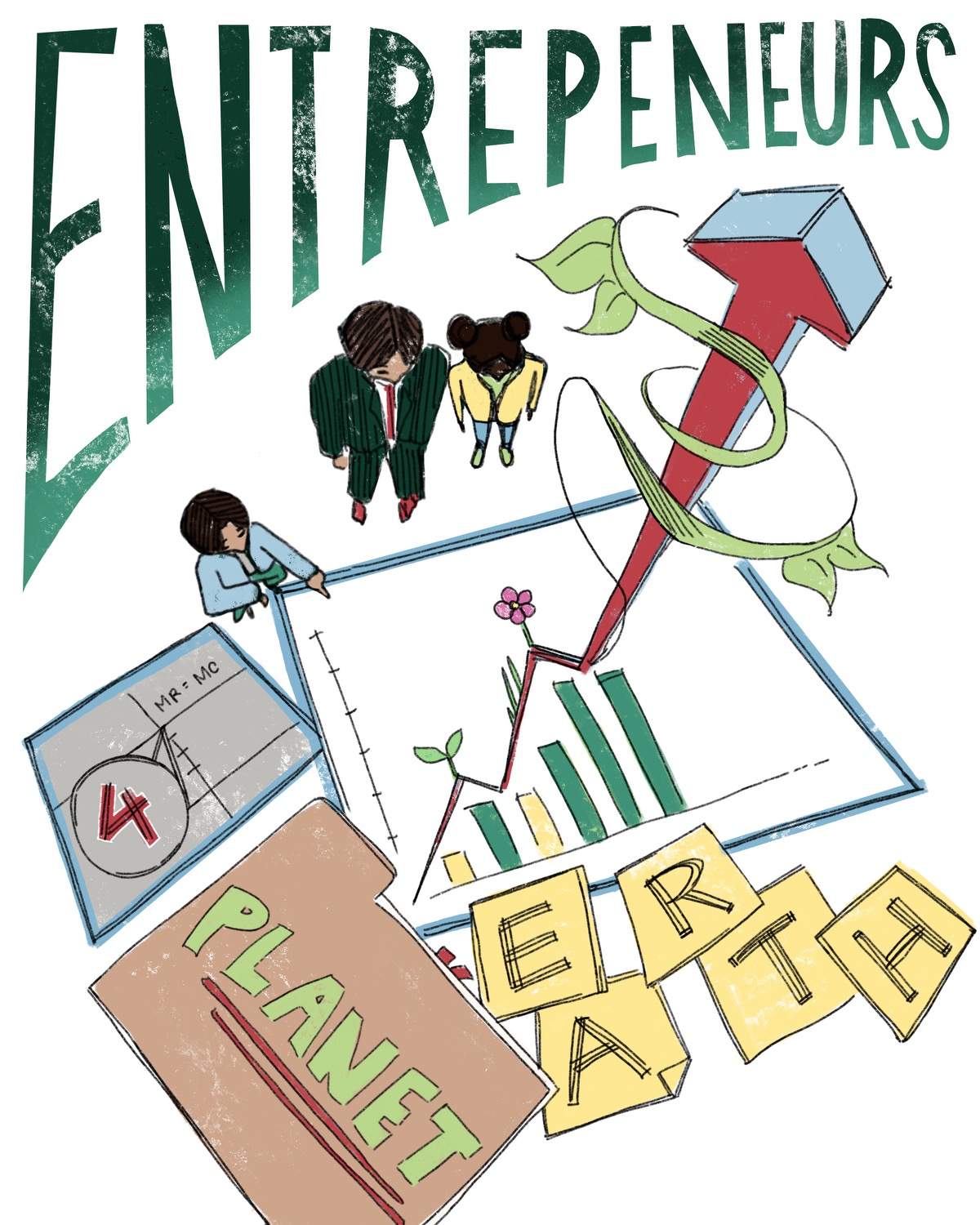
Entrepreneurs for Planet Earth 2025 Winners Announced!

A huge THANK YOU to everyone who participated in this year’s Entrepreneurs for Planet Earth competition! 🌎✨

We were blown away by the creativity, passion, and heart each of you brought to the challenge of fighting hunger through sustainable, community-driven solutions. Your ideas were inspiring, your hard work showed, and you all made it incredibly difficult for our judges to choose just three winners! Thank you all for the time, energy, and creativity you brought to this challenge. 

After much thoughtful deliberation, here are this year’s amazing winners: 

🥇1st Place – Sustainabyte

Arjun Makineni & Jane Park 

🥈 2nd Place – Waste Not

Advika Bhatnagar

🥉3rd Place – Meal Mind

Rebecca Tochilnikov

Keep an eye out for an email about your awards and next steps. 

We want to once again thank our amazing judges—Mr. Michael Lockwood, Mr. Taran Singh, and Ms. Mimi—for thoughtfully reviewing and scoring each project. Your time and support are greatly appreciated. 

All participants will receive certificates. Check your email for details! 

Also, a quick reminder: Youth Leadership Council (YLC) applications are now open—we’d love to see some of you get more involved. And if you’re feeling inspired, consider volunteering with Climate Roots or applying for a YLC position

Thanks again for making this competition a success! We couldn’t have done it without you.

City of Fremont Earth Day

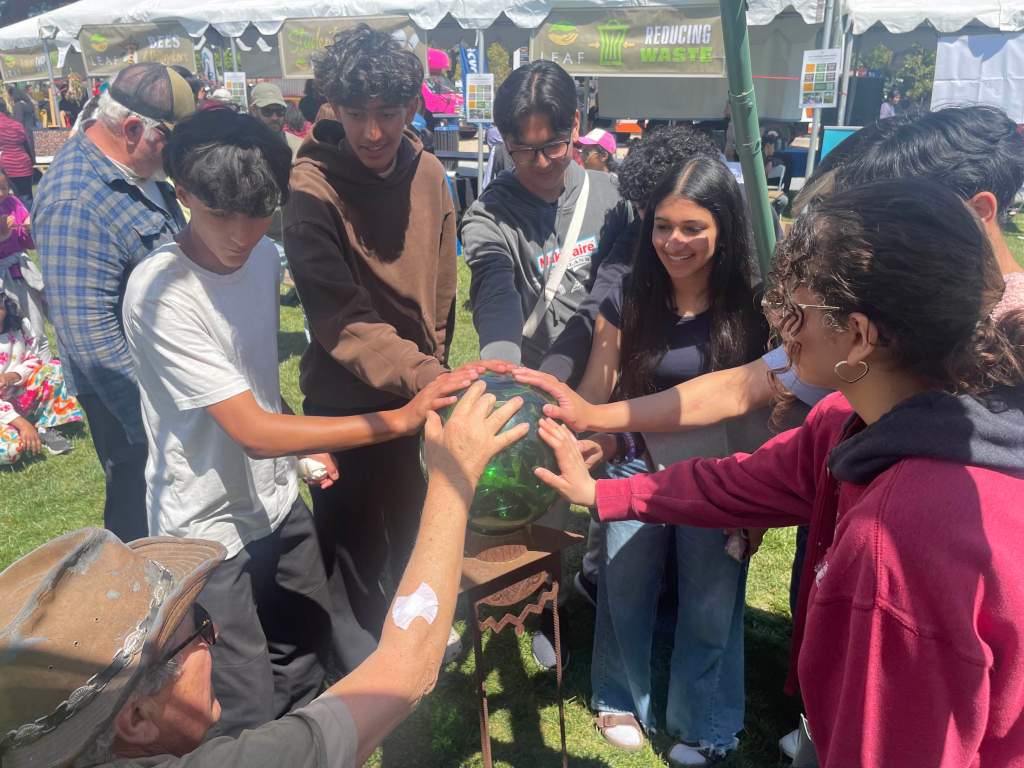
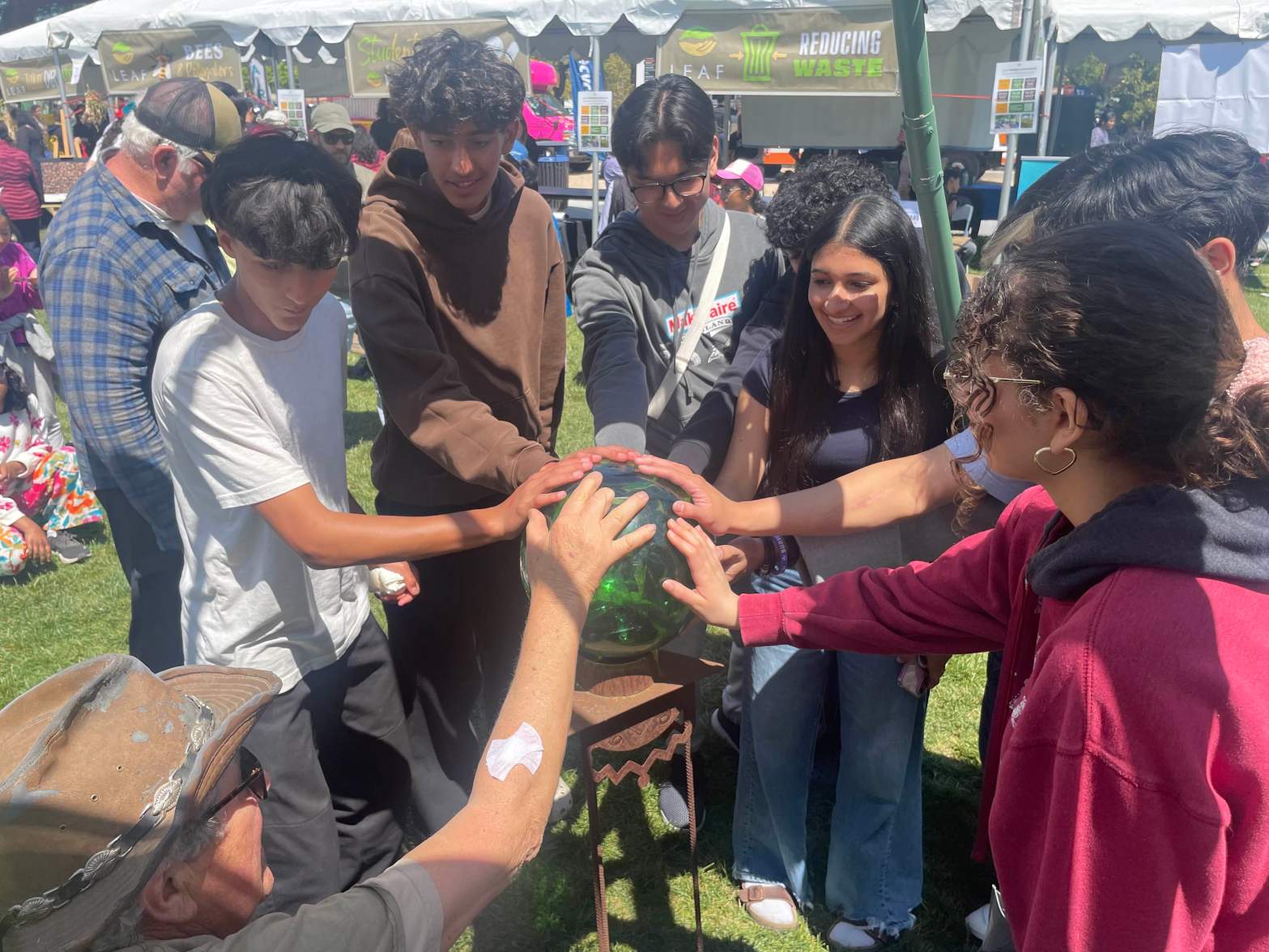
On Saturday, April 19th, we visited the City of Fremont’s Earth Day. We had a great time, visiting booths from Fremont LEAF, Daily Bowl, and other local organizations. From tasting honey to learning about composting with worms, we explored a wide range of fun activities that showed how small actions can make a big impact. Throughout the event, we connected with other community members who care deeply about the environment. Thank you to the City of Fremont for hosting such an exciting event! 

Capturing Growth: Our Time-Lapse Mushroom Project

(Project update by: Aditya Narula and Arjun Thakur)

We’re excited to share an update on our latest project: creating a time-lapse video of mushroom growth! This journey began with meticulous planning and a clear vision of how we would capture the magic of nature in action.

Getting Started

After receiving approval for our project, we dove into the preparation phase. Our first task was to gather the necessary materials to bring our idea to life:

  • Raspberry Pi 4 Model B: The brain of our time-lapse system, providing the processing power we need.
  • Raspberry Pi Camera: This high-quality camera will help us capture stunning images throughout the growth process.
  • Mushroom Block: The star of our show!

Once all the materials arrived, we wasted no time getting to work.

Setting Up

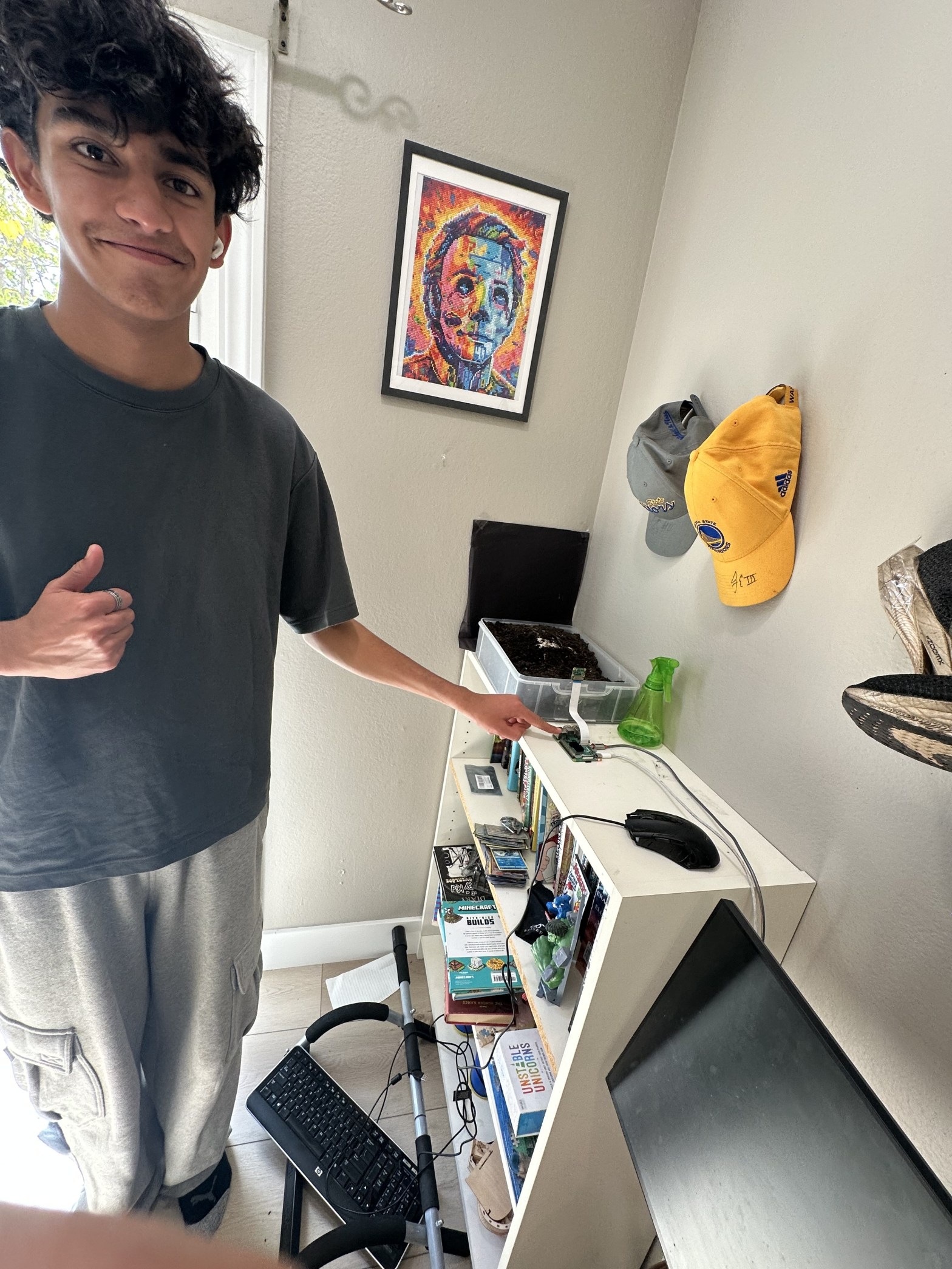
Our initial tasks were focused on the technical side of things. We set up the Raspberry Pi and began writing backend code in Python to facilitate the time-lapse capture. By utilizing specific commands tailored for the Raspberry Pi camera, we ensured our setup was primed for success.

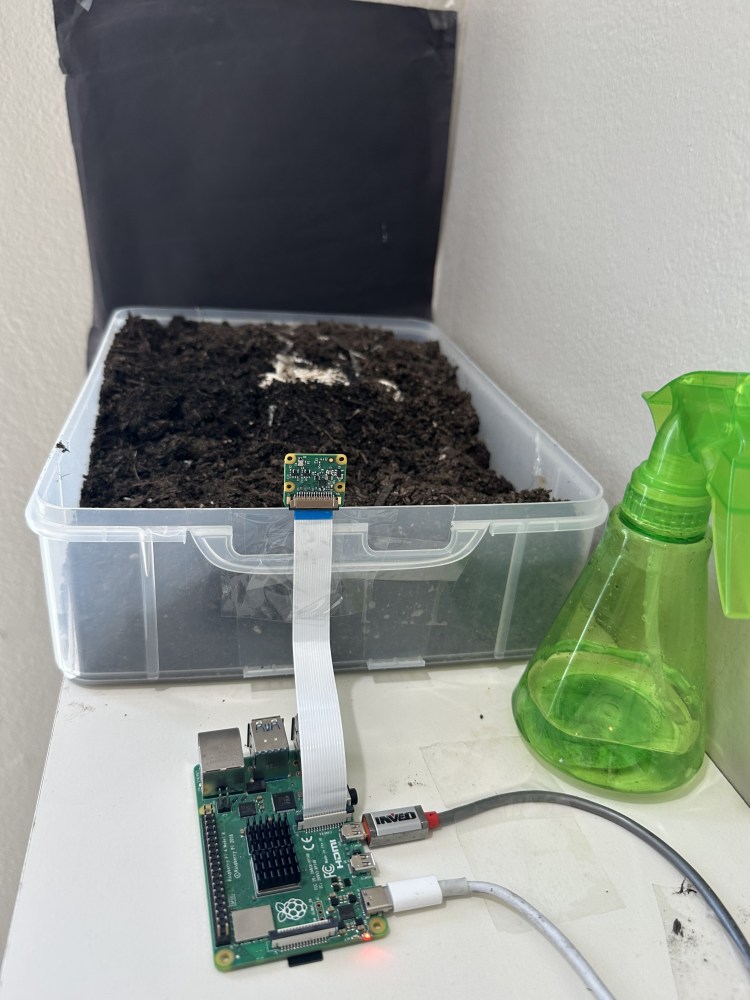
In tandem with the technical setup, we designed and built an ideal terrarium to create a nurturing environment for our mushrooms. After preparing the mushroom block, we placed it in a suitable container filled with soil.

To optimize our filming conditions, we set up a recording station featuring the Raspberry Pi and camera. A black sheet positioned behind the mushroom helped enhance visibility, ensuring that the growth would be clearly captured.

Filming Begins

With everything in place, we initiated the filming process last week. As we monitor our setup, we’re excited to witness the gradual transformation of our mushrooms in real-time. We regularly check in to ensure that everything is functioning smoothly.

Stay tuned for more updates as we continue to capture this fascinating journey of growth! We can’t wait to share the final time-lapse video with all of you!!!

Article Published in TCV

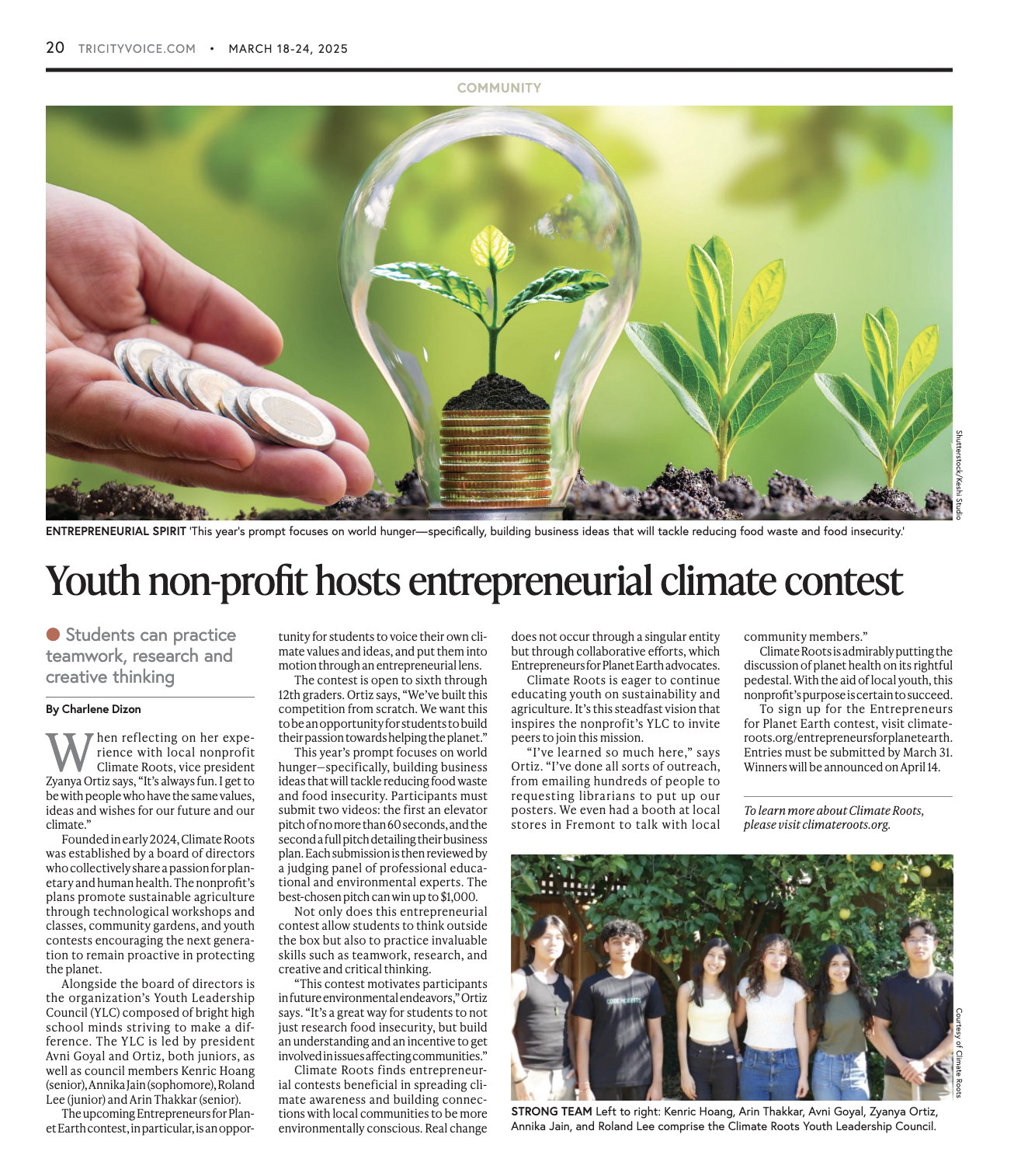
We sincerely appreciate Tri-City Voice for featuring our segment on Climate Roots in a recent edition. This opportunity allowed us to share our journey—from our beginnings and initiatives to our current Entrepreneurs for Planet Earth competition.

By spreading awareness of our mission, we hope to inspire greater community engagement and connect with like-minded groups eager to collaborate for a healthier planet.

Thank you, Tri-City Voice, for helping us grow our reach and strengthen our connections!

Meet our Judging Panel

We’re excited to announce the incredible group of experts that will review submissions for the Entrepreneurs for Planet Earth Competition! These local educators bring years of experience in sustainability and environmental advocacy, and they can’t wait to see what you have come up with!

First up is Mr. Taran Singh, an advocate for sustainability who has campaigned in our local government and partnered with local groups. He cares for his own garden, an assortment of vegetables and native plants. He is also an avid artist, with his own published poetry collection.

Next, meet Mr. Michael Lockwood, an adventurer who has traversed from the Southern Sierra Nevada Mountain Range to the Okavango Delta of Botswana. He has been teaching at James Logan High School for over 25 years and finds teaching the next generation of scientists extremely rewarding – maybe more so than catching crocodiles in the Everglades!

And last but not least, we welcome Ms. Mimi, an educator at the Alsion Montessori School. She deals with gardening, chicken care, beekeeping, repairs, and teaching students some of these skills. Ms. Mimi has assisted with projects such as an Alsion community garden, where students could cultivate their own plants at school and bring them home to continue raising them.

To our competitors in the Entrepreneurs for Planet Earth Competition: good luck!

Welcome to the Team, Justin!

We are excited to announce that Justin Kim will be joining us as the social media content creator for the Healthy Recipes program! Justin is a second-year graduate student studying manual therapy and holistic health. His views on nutrition and health have inspired him to directly impact people’s health goals. Beyond his studies, Justin loves cooking and creating videos. By combining his hobbies and perspectives, he will take charge of creating some of our Instagram posts; he aims to create informative yet entertaining content that promotes our healthy and affordable dining recipes program. We’re excited to see Justin’s artistic contributions on our social platforms!

Thank you, Dale’s Hardware

We sincerely appreciate Dale’s Hardware for allowing us to set up our booth outside the store February 15 & 16. This opportunity helped us connect with the community, raise awareness about our mission, and promote the upcoming Entrepreneurs for Planet Earth Competition.

Over the weekend, we had tons of engaging conversations with people, many of whom were excited to learn about sustainable food movement in Fremont. We made valuable connections to further our mission. Thank you, Dale’s Hardware!