
Environmental Stewardship

Environmental stewardship as defined by Wikipedia refers to responsible use and protection of the natural environment through conservation and sustainable practices.

There are 3 types of environmental stewards: doers, donors, and practitioners.

  1. Doers go out and help the cause by taking action. For example, the doers in an oil spill would be the volunteers that go along the beach and help clean up the oil from the beaches.
  2. Donor is the person that financially helps the cause. They can do anything from donating their money, to hosting public events to raise funds.
  3. Practitioners work on a day-to-day basis to steer governmental agencies, scientists, stakeholder groups, or any other group toward a stewardship outcome.

These 3 groups make up environmental stewards to keep the ecosystem running healthily. Anybody can be an environmental steward by being aware and knowledgeable of the world around them and making sure they do as little as possible to negatively impact our world. Without these groups it would be hard to get any sort of sustainability in our increasingly industrially based world.

What type of environmental steward are you?
Fremont Planting Guide

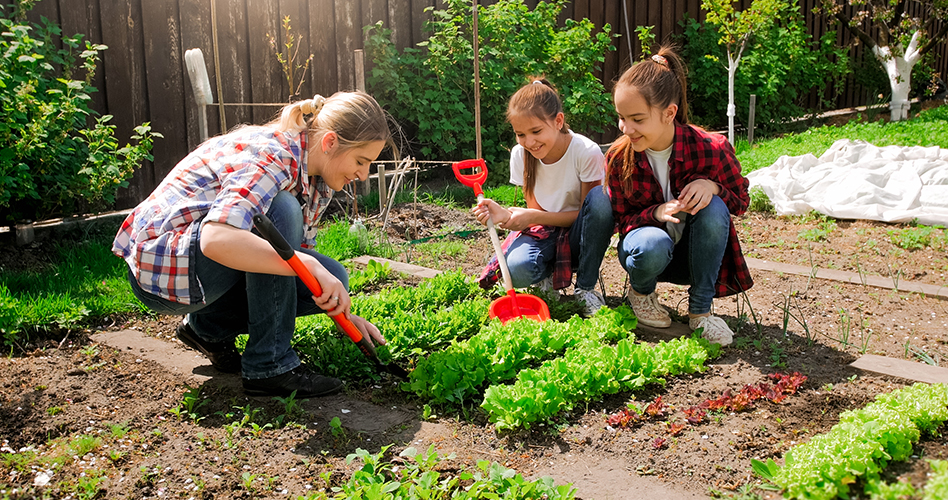
Welcome to Fremont, where the sun is always shining, the soil is mostly cooperative, and the squirrels think they own the place. If you’ve ever dreamed of turning your backyard into a garden paradise—or at least growing something that isn’t immediately devoured by local wildlife—then you’re in the right spot. Gardening here is a bit like hosting a dinner party: you’ve got to pick the right guests (plants), serve up plenty of drinks (water), and hope that nobody brings along any uninvited pests. But don’t worry; we’ve put together this planting guide to help your garden become the talk of the town—at least among the bees and butterflies.

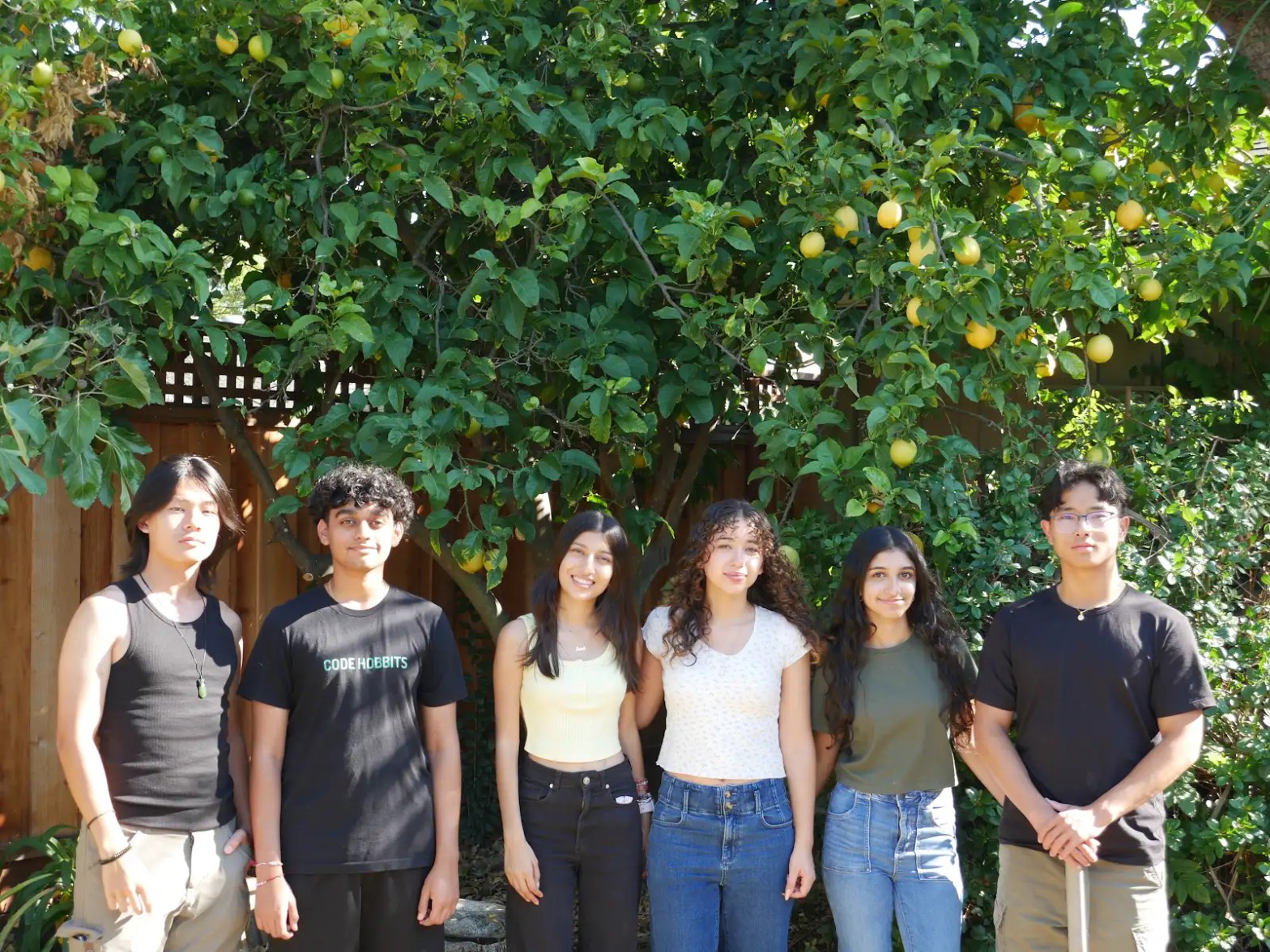
Meet our Youth Leaders (2024-2025)

Avni Goyal
President

Avni is a high school junior interested in computer science and mathematics. She has a curious personality and is passionate about giving back to her community.

Annika Jain
Council Member

Annika is a high school sophomore interested in entrepreneurship and computer science. She’s a very social and outgoing person, and she is always ready to help anyone!

Arin Thakkar
Council Member

Arin is a high school senior who is interested in artificial intelligence and applied mathematics. He loves playing the guitar and reading science fiction books.

Zyanya Ortiz
Vice President

Zyanya is a junior in high school. She is a problem solver and creative thinker who loves art. She is always exploring new hobbies that drive her to positively impact her community.

Roland Lee
Council Member

Roland is a high school junior who is interested in engineering. He is passionate about sharing his knowledge through tutoring young kids and maximizing his own potential.

Kenric Hoang
Council Member

Kenric is a high school senior interested in mathematics. He is an avid reader and can be found reading anything from fiction to calculus!

Peppers love basil

My definition of companion planting is very basic, one might even say, primitive. Companion planting — grow many things, mix up veggies with flowers with herbs, and let nature do the rest. The beauty of this approach lies in its simplicity. By combining different plants in the same space, we create a diverse, thriving ecosystem that benefits both the garden and the gardener.

Take, for example, the classic duo of peppers and basil. These two are like the Batman and Robin of the garden world. Basil not only repels pests like aphids, spider mites, and mosquitoes, but it also makes your peppers taste like they’ve been on a culinary vacation in Italy. In return, the peppers provide shade for basil, helping it stay cool under pressure—because nobody likes a wilted basil, not even the pests.

The magic of companion planting doesn’t stop with pest control. When you mix up your garden beds with a variety of plants, you also attract a wider range of beneficial insects. Bees and butterflies, drawn to the bright flowers, help pollinate your veggies, while ladybugs and lacewings keep harmful pests in check. This creates a natural balance, reducing the need for chemical interventions and allowing your garden to thrive organically.

In the end, companion planting is about creating a garden that’s as lively and quirky as you are. So, go ahead—plant your peppers next to your basil, throw in some marigolds, and watch your garden thrive in its glorious, messy harmony. Because if there’s one thing nature teaches us, it’s that sometimes, the best results come from a little bit of chaos.

Enhancing Greenhouse Efficiency with Load Flexibility

In the evolving landscape of sustainable agriculture, controlled environment agriculture (CEA) is playing a pivotal role in ensuring food resiliency. One of the key strategies for optimizing CEA operations is enhancing load flexibility, which allows greenhouses to better manage their energy consumption and integrate more renewable energy sources.

Load flexibility in greenhouses refers to the ability to adjust energy use patterns in response to external signals, such as electricity price changes or grid demand fluctuations. This capability is crucial for reducing energy costs and minimizing greenhouse gas emissions.

  • Energy Management: By adopting load flexibility, greenhouses can shift their energy consumption to times when electricity is cheaper or more abundant. This not only cuts costs but also reduces the strain on the electrical grid during peak demand periods. For instance, non-essential lighting and heating can be deferred to off-peak hours.
  • Integration with Renewable Energy: Greenhouses equipped with load flexibility can synchronize their operations with the availability of renewable energy sources like solar and wind. This synchronization helps in maximizing the use of clean energy and reducing dependency on fossil fuels.
  • Resilience and Sustainability: Load flexibility enhances the resilience of greenhouse operations by providing a buffer against energy price volatility and supply disruptions. It also contributes to the sustainability of food production by lowering the carbon footprint of greenhouse operations.

To successfully implement load flexibility, greenhouses need to adopt advanced energy management systems and smart technologies. These systems can monitor and control various environmental parameters, optimizing energy use without compromising crop yield or quality.

By leveraging load flexibility, greenhouses can not only improve their operational efficiency but also contribute significantly to the global efforts in reducing greenhouse gas emissions and promoting sustainable agriculture.

Last week to submit Nominations for the 2024-25 Climate Roots Youth Leadership Council

Attention all climate enthusiasts! The final week to submit your nominations for the 2024-25 Climate Roots Youth Leadership Council (YLC) is May 31. If you know a passionate young leader who is eager to make an impact in sustainability, food insecurity, and climate action, this is the perfect opportunity for them.

The Climate Roots YLC is an empowering platform that brings together young minds dedicated to creating a sustainable future. More information about leadership can be found on this document:


Apply at: https://climateroots.org/youth-leadership-council/

Step Up and Stand Out: Join the YLC

Our Youth Leadership Council (YLC) serves as a powerful platform for high school students to harness their voice, offering a unique opportunity to engage directly with community issues and influence meaningful change. As a member of the YLC, a high school student will have a unique opportunity to grow personally and professionally while making a tangible impact on their community. Here’s why it’s a beneficial move:

  • Leadership Skills: Develop strong leadership and decision-making skills as you help guide the direction of the nonprofit.
  • Career Exploration: Gain insights into potential careers in non-profits, environmental science, or community organizing.
  • Networking Opportunities: Meet and collaborate with influential community leaders and peers who are equally passionate about making a difference.
  • Educational Advantages: Enhance your college applications and resumes through demonstrated commitment to volunteerism and leadership.
  • Personal Growth: Learn new skills, expand your knowledge on critical issues, and build confidence in your ability to effect change.

This involvement not only contributes to your personal development but also positions you as a key player in shaping a better future for your community and beyond. Learn more about the YLC.

UC Davis Arboretum Plant Sales

Spring has sprung, and what better way to embrace this season of growth than by participating in the UC Davis Arboretum Spring 2024 Plant Sales?

This exciting event, hosted at the Arboretum Teaching Nursery, offers a fantastic opportunity to browse through a vast selection of attractive, low-water plants perfect for our region. Check out their up-to-date visual catalog here.

UC Davis Arboretum Spring 2024 Plant Sale Catalog

Whether you’re a gardening novice or a seasoned green thumb, these plant sales not only provide the perfect additions to your garden but also support the Arboretum’s vital educational programs and the nurturing of our public gardens. Mark your calendars for the members-only and public sales in April and May, and enjoy discounts, a wide variety of plants, and the joy of contributing to a greener community. For more details on the event, visit UC Davis Arboretum Plant Sales.

Happy Gardening!

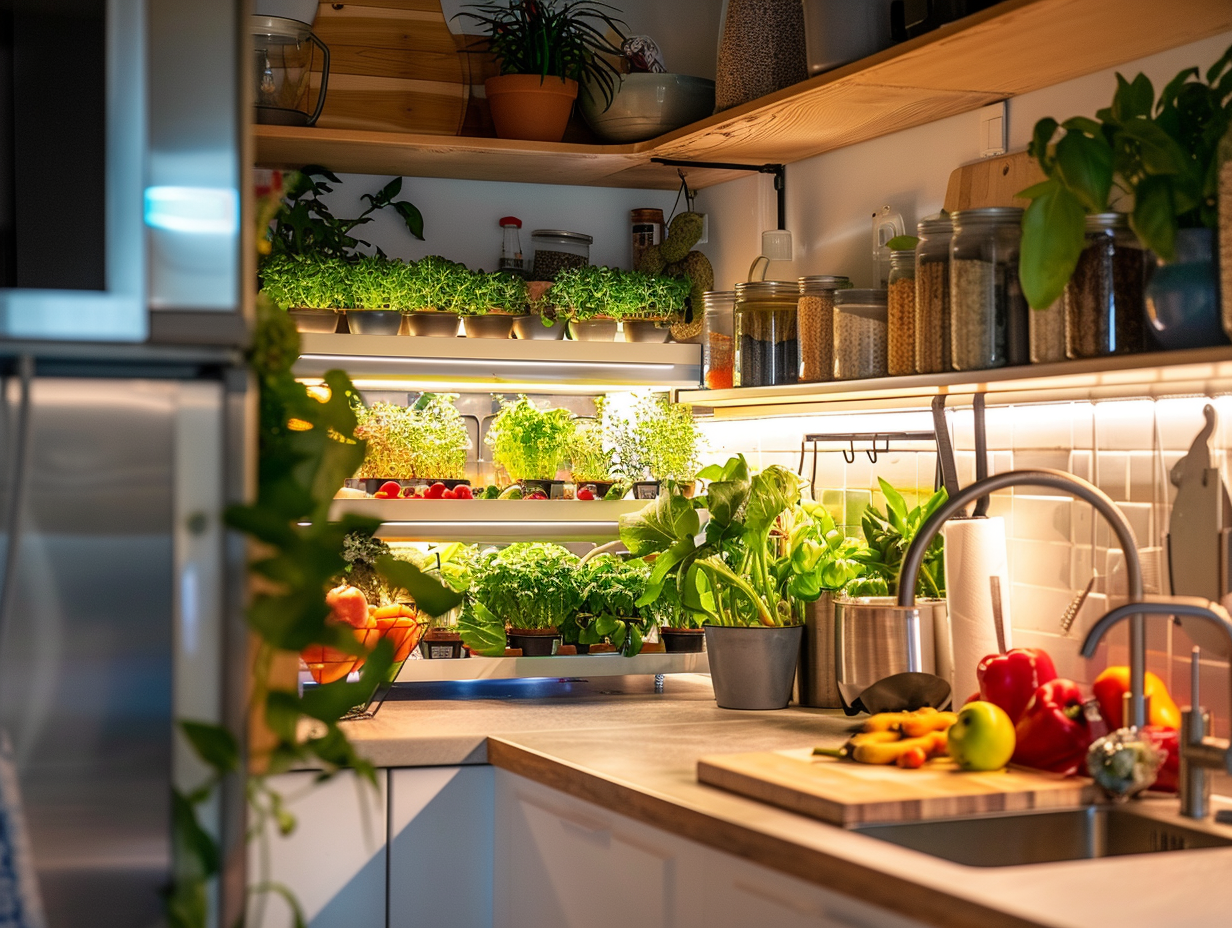
Benefits of home hydroponics

Home hydroponics is revolutionizing how we think about gardening, especially for those with limited space or harsh climate conditions. This soil-free gardening method uses nutrient-rich water to grow plants, making it an efficient and sustainable option for urban dwellers.

Benefits of home hydroponics include:

  1. Space Efficiency: Hydroponics requires significantly less space than traditional gardening since plants can be stacked vertically.
  2. Water Conservation: This method uses up to 90% less water than soil gardening because water in the system is recirculated.
  3. Faster Plant Growth: Plants in hydroponic systems grow 30-50% faster on average due to the controlled environment and direct access to nutrients.
  4. Year-Round Gardening: Indoor hydroponic systems allow you to grow fresh vegetables and herbs all year, irrespective of the weather outside.
  5. Reduced Pests and Diseases: With no soil, there are fewer pests and diseases, reducing the need for pesticides and making it a cleaner option.
    Embracing hydroponics can lead to healthier eating habits and a more sustainable lifestyle, making it a great choice for modern urban homes.

If you’re interested in learning how to build your very own DIY hydroponic garden, check out our community classes.

Happy gardening!

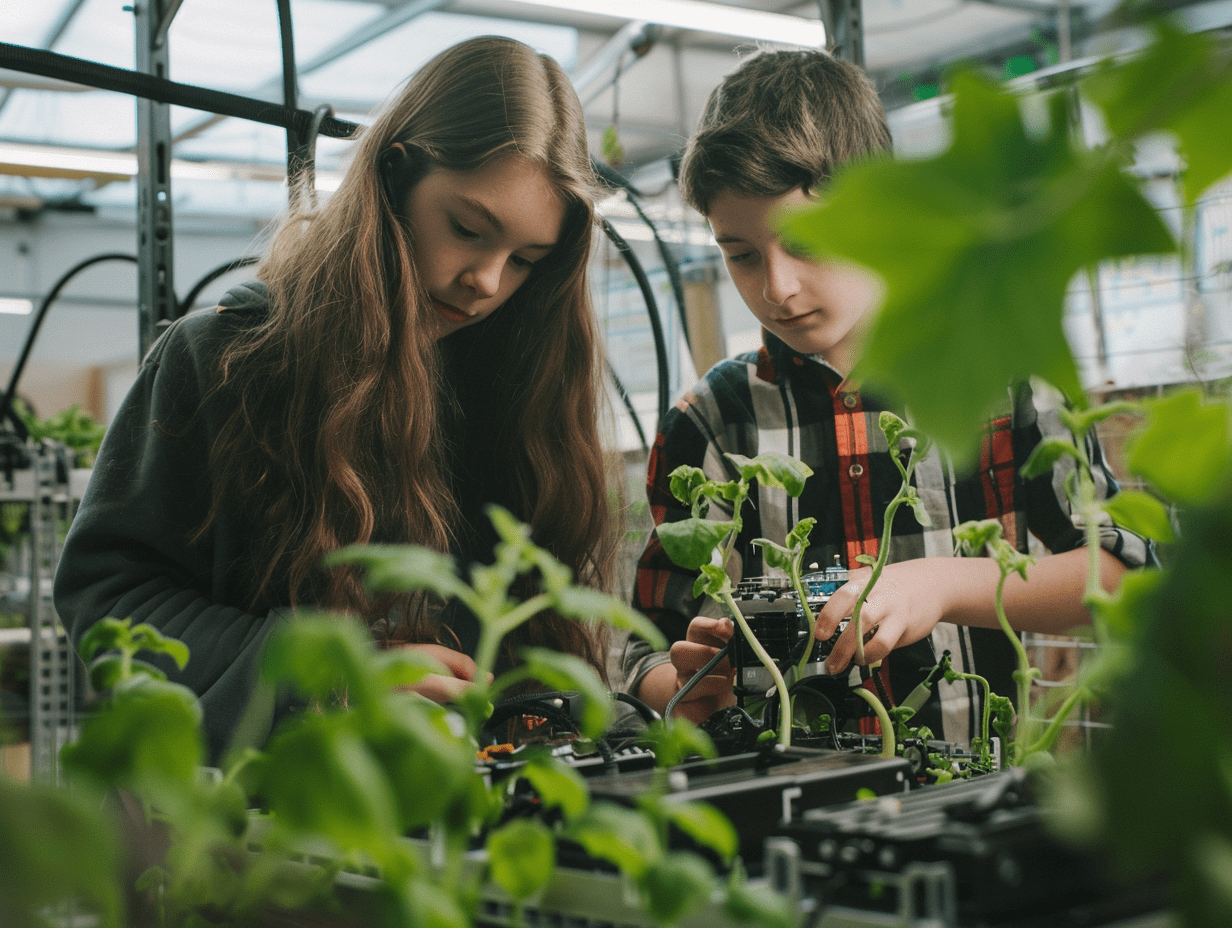
Students’ role in climate action

In the fight against climate change, the involvement of school students is crucial. This youth demographic brings innovation, energy, and a personal stake in the future of our planet.

Engaging in climate action helps students develop a deeper understanding of the impacts of global warming and the necessity of sustainable practices. This involvement also cultivates essential skills like critical thinking, collaboration, and leadership as students work on projects that have real-world impacts, from campus recycling programs to advocating for policy changes. Moreover, early engagement in such issues fosters a lifelong commitment to environmental stewardship, preparing the next generation to lead the way in combating climate change. This commitment not only enriches their academic pursuits but also empowers them to make a tangible difference in their communities, encouraging a wider cultural shift towards environmental responsibility.

At Climate Roots, we are on a mission to engage and activate the youth of today and empower them with the skills and knowledge they need to address climate change, the greatest challenge of our generation.