Attention all climate enthusiasts! The final week to submit your nominations for the 2024-25 Climate Roots Youth Leadership Council (YLC) is May 31. If you know a passionate young leader who is eager to make an impact in sustainability, food insecurity, and climate action, this is the perfect opportunity for them.
The Climate Roots YLC is an empowering platform that brings together young minds dedicated to creating a sustainable future. More information about leadership can be found on this document:
Our Youth Leadership Council (YLC) serves as a powerful platform for high school students to harness their voice, offering a unique opportunity to engage directly with community issues and influence meaningful change. As a member of the YLC, a high school student will have a unique opportunity to grow personally and professionally while making a tangible impact on their community. Here’s why it’s a beneficial move:
Leadership Skills: Develop strong leadership and decision-making skills as you help guide the direction of the nonprofit.
Career Exploration: Gain insights into potential careers in non-profits, environmental science, or community organizing.
Networking Opportunities: Meet and collaborate with influential community leaders and peers who are equally passionate about making a difference.
Educational Advantages: Enhance your college applications and resumes through demonstrated commitment to volunteerism and leadership.
Personal Growth: Learn new skills, expand your knowledge on critical issues, and build confidence in your ability to effect change.
This involvement not only contributes to your personal development but also positions you as a key player in shaping a better future for your community and beyond. Learn more about the YLC.
Spring has sprung, and what better way to embrace this season of growth than by participating in the UC Davis Arboretum Spring 2024 Plant Sales?
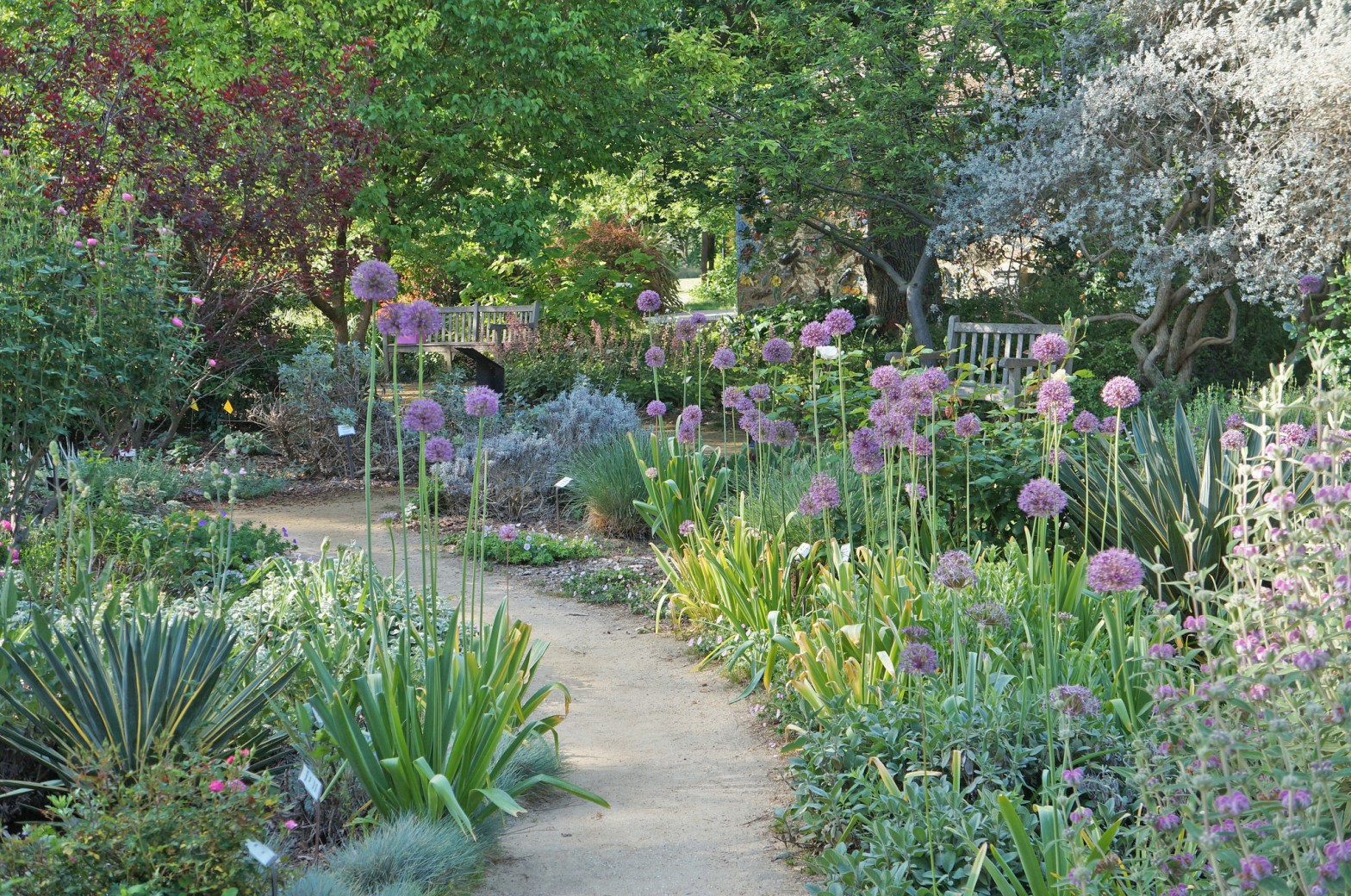
This exciting event, hosted at the Arboretum Teaching Nursery, offers a fantastic opportunity to browse through a vast selection of attractive, low-water plants perfect for our region. Check out their up-to-date visual catalog here.
UC Davis Arboretum Spring 2024 Plant Sale Catalog
Whether you’re a gardening novice or a seasoned green thumb, these plant sales not only provide the perfect additions to your garden but also support the Arboretum’s vital educational programs and the nurturing of our public gardens. Mark your calendars for the members-only and public sales in April and May, and enjoy discounts, a wide variety of plants, and the joy of contributing to a greener community. For more details on the event, visit UC Davis Arboretum Plant Sales.
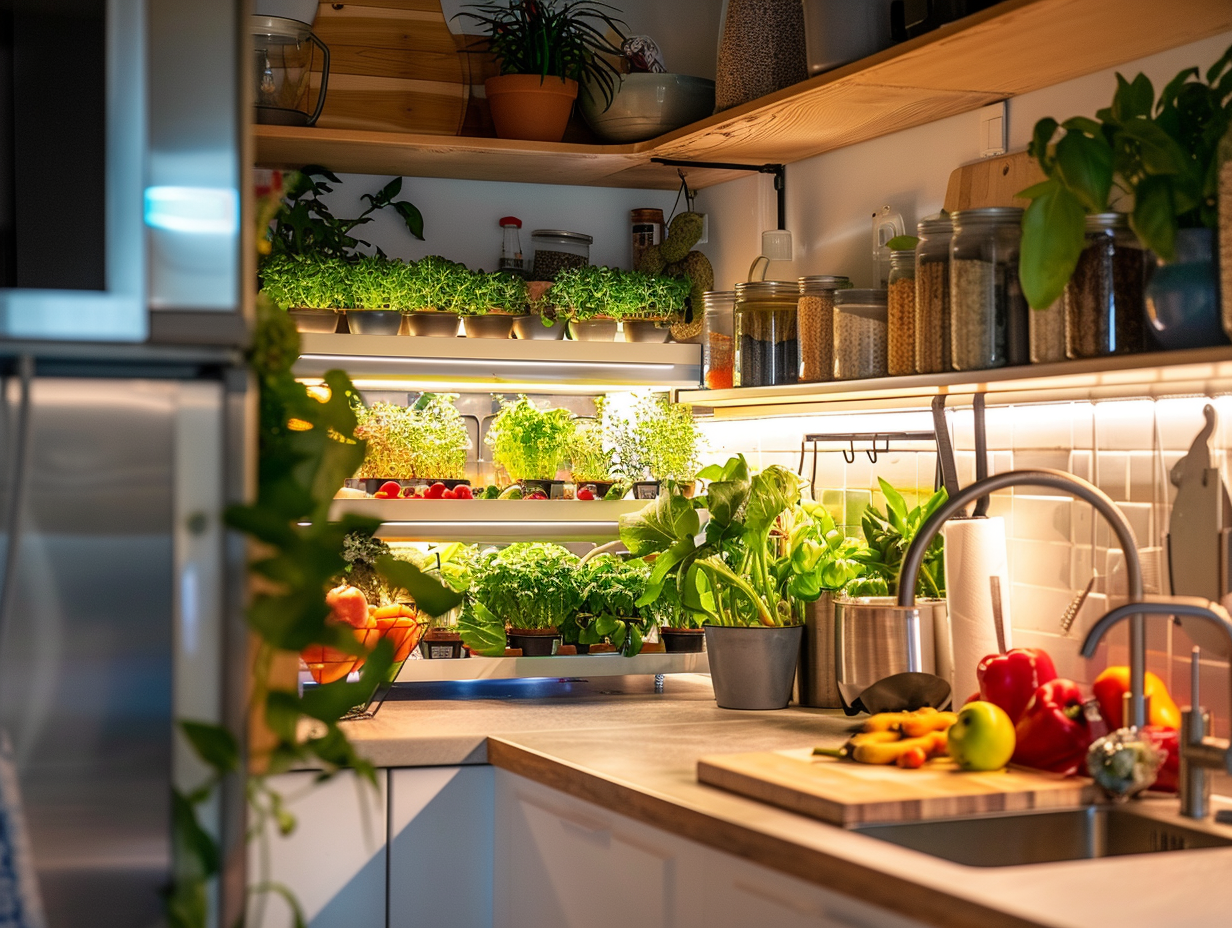
Home hydroponics is revolutionizing how we think about gardening, especially for those with limited space or harsh climate conditions. This soil-free gardening method uses nutrient-rich water to grow plants, making it an efficient and sustainable option for urban dwellers.
Benefits of home hydroponics include:
Space Efficiency: Hydroponics requires significantly less space than traditional gardening since plants can be stacked vertically.
Water Conservation: This method uses up to 90% less water than soil gardening because water in the system is recirculated.
Faster Plant Growth: Plants in hydroponic systems grow 30-50% faster on average due to the controlled environment and direct access to nutrients.
Year-Round Gardening: Indoor hydroponic systems allow you to grow fresh vegetables and herbs all year, irrespective of the weather outside.
Reduced Pests and Diseases: With no soil, there are fewer pests and diseases, reducing the need for pesticides and making it a cleaner option. Embracing hydroponics can lead to healthier eating habits and a more sustainable lifestyle, making it a great choice for modern urban homes.
If you’re interested in learning how to build your very own DIY hydroponic garden, check out our community classes.
In the fight against climate change, the involvement of school students is crucial. This youth demographic brings innovation, energy, and a personal stake in the future of our planet.
Engaging in climate action helps students develop a deeper understanding of the impacts of global warming and the necessity of sustainable practices. This involvement also cultivates essential skills like critical thinking, collaboration, and leadership as students work on projects that have real-world impacts, from campus recycling programs to advocating for policy changes. Moreover, early engagement in such issues fosters a lifelong commitment to environmental stewardship, preparing the next generation to lead the way in combating climate change. This commitment not only enriches their academic pursuits but also empowers them to make a tangible difference in their communities, encouraging a wider cultural shift towards environmental responsibility.
At Climate Roots, we are on a mission to engage and activate the youth of today and empower them with the skills and knowledge they need to address climate change, the greatest challenge of our generation.
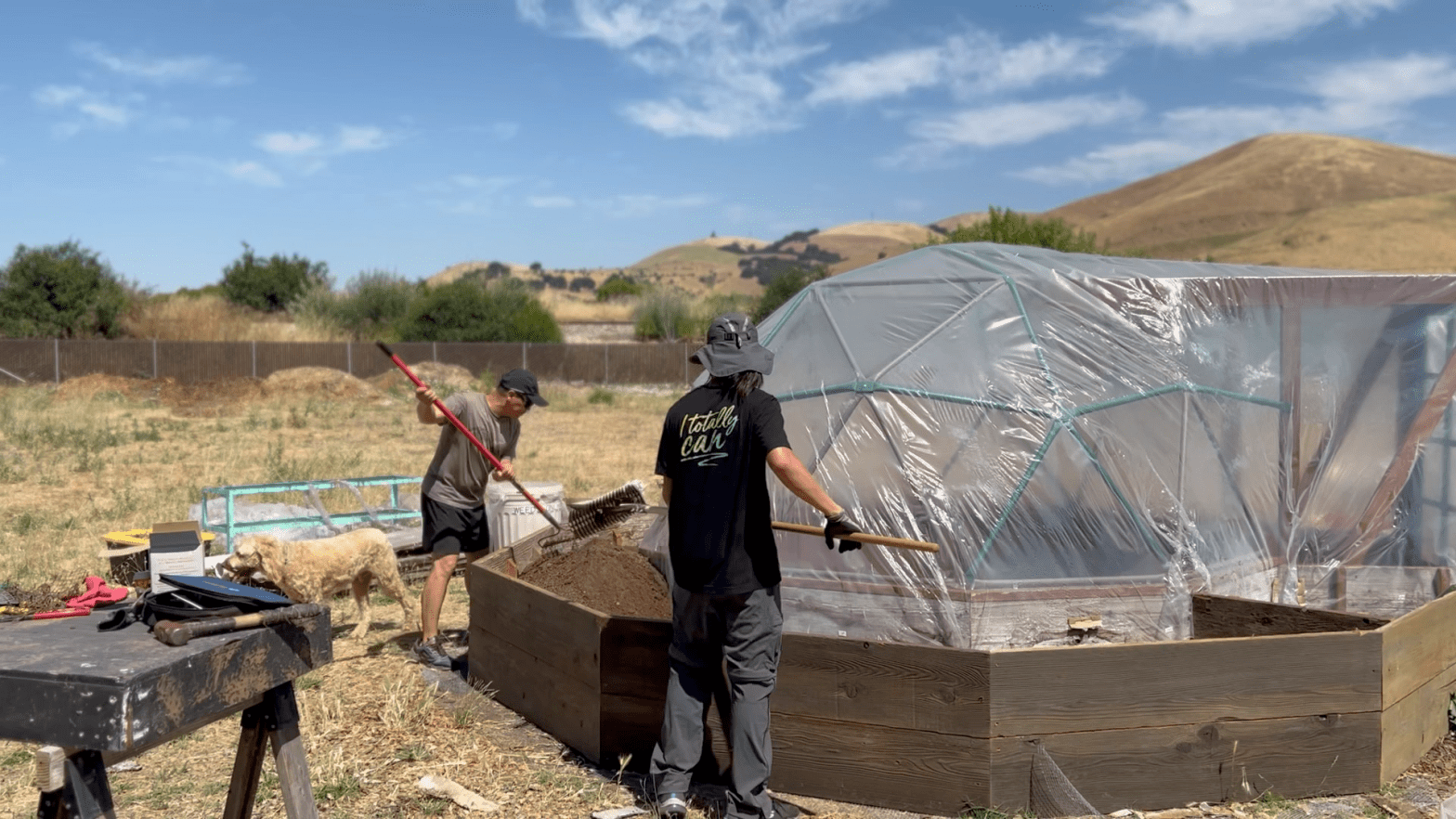
Today, we finally finished wrapping the greenhouse. After multiple trials, failures, rips, and tears, we were able to secure the plastic shrink wrap. The first time we tried to shrink-wrap the greenhouse, it failed horrendously. To start, we weren’t used to the heat gun, so the wrap was inconsistent in many places over the dome. In some places, the plastic was too tight, making it rip if a slight gust of wind hit it in the wrong area, and too loose in other places, causing it to sag and form big bubbles. Today, we practiced using the heat gun on extra pieces of wrap under the guidance of Jerry to prepare us for the actual dome. After we felt ready, we removed the old wrap and threw another plastic wrap over the dome. Then, everyone took turns using the heat gun and walking around the dome, making sure that we were consistently applying heat to all areas. Once it was done, we stapled the bottom of the wrap to the inner wall of the greenhouse.
Next, Jerry used his tractor to haul dirt to the space between the inner wall and the outer wall. Each time he drove back to scoop up more dirt, we used rakes to even out the dirt and spread it evenly throughout the entire space. We plan on growing flowers and other plants here to enhance the aesthetics of the dome and make it look pretty.
Today we decided to work on the more decorative side of our greenhouse.
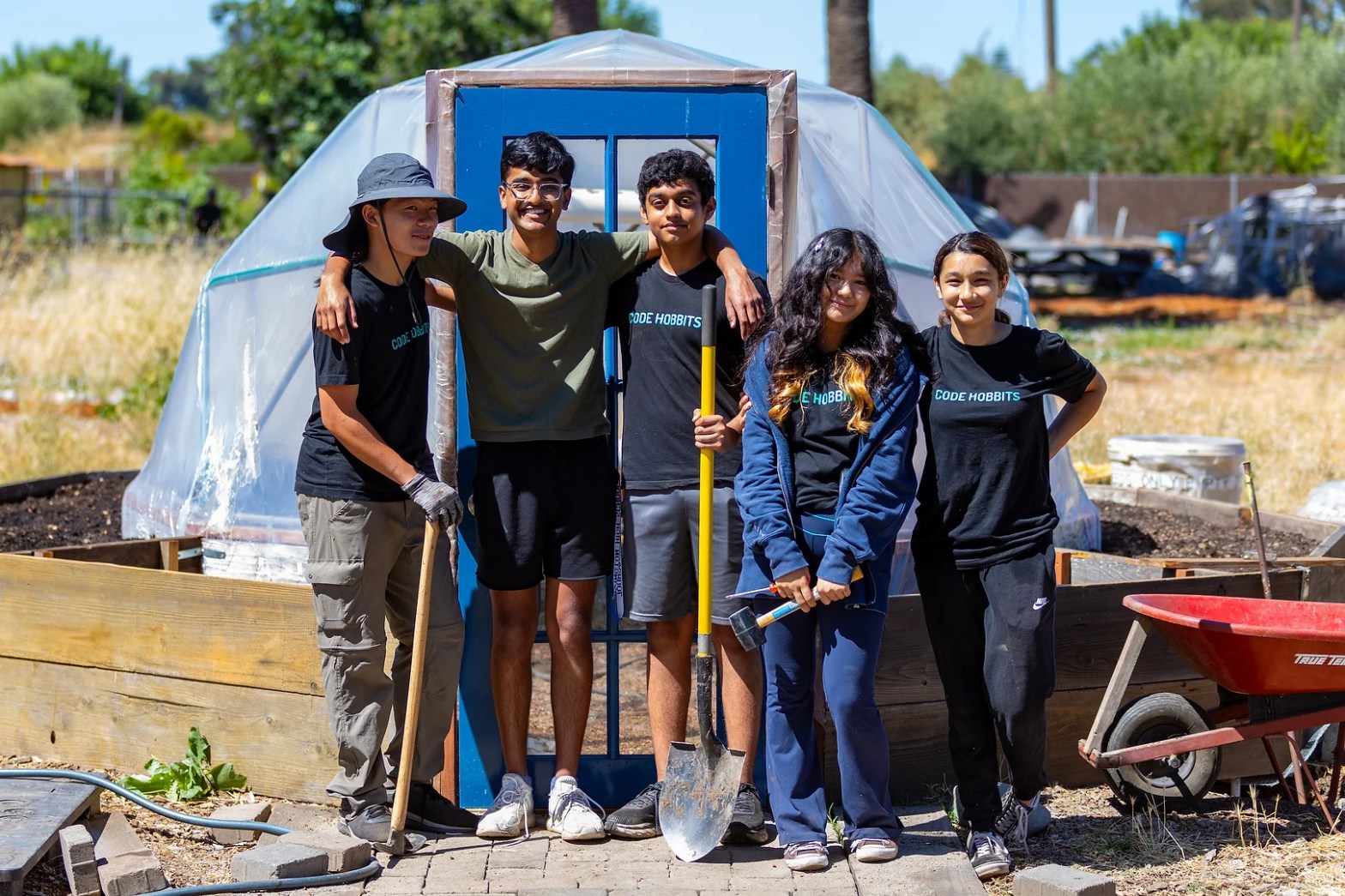
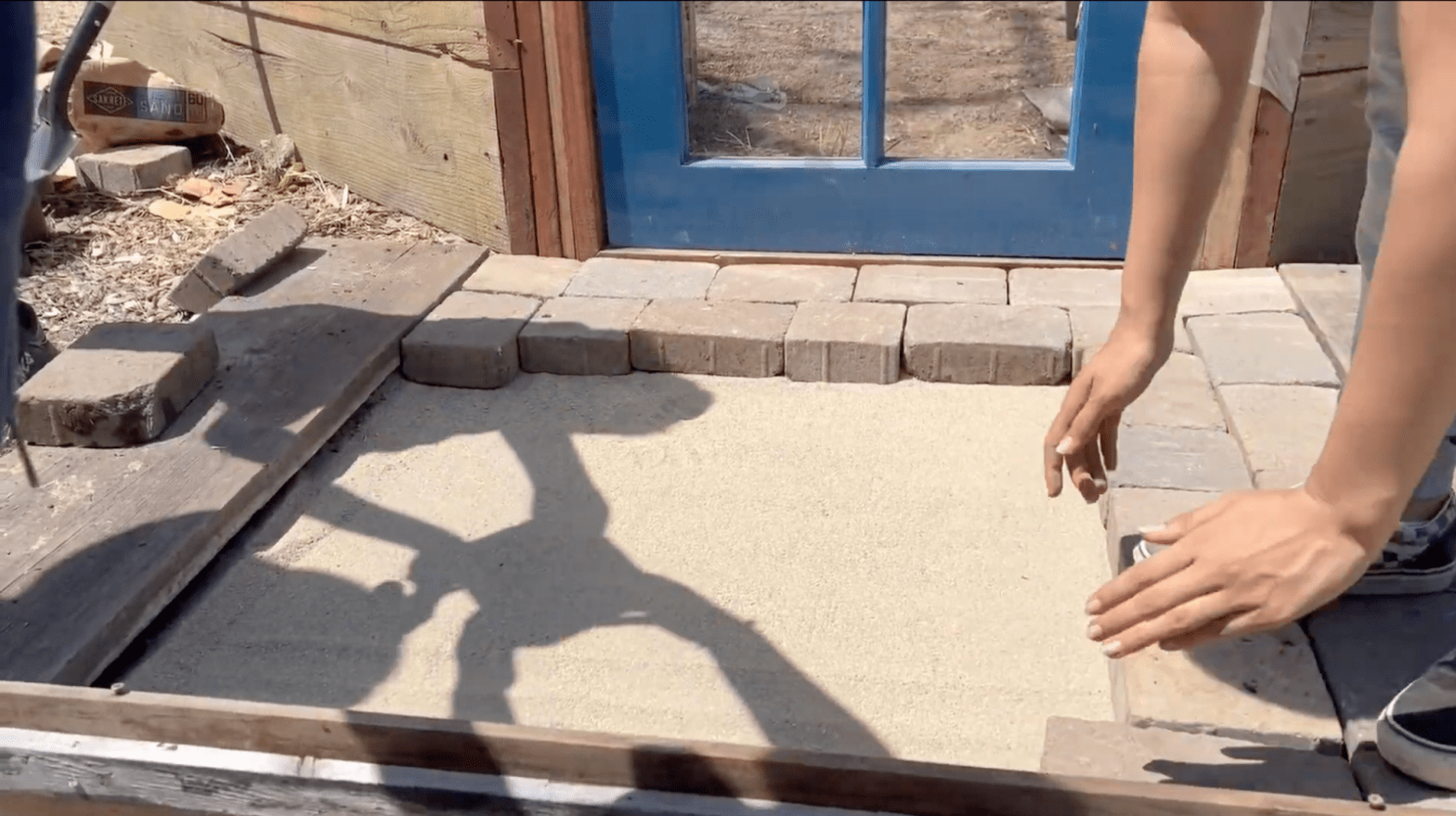
With the door finished recently, we wanted to spruce up the look of the entrance to make any guests feel right at home. The doorway is also a bit higher than the ground, so we don’t want anyone to trip over it, especially when transporting heavy or cumbersome equipment.
We were allowed to use these old bricks by the port-a-potty area for our design. We had to take them out ourselves and then we had a few people transporting them to the greenhouse which was on the complete opposite end of the garden. Sure, we got to use wheelbarrows, but it still took a few trips and some focus to complete.
After we transported all of the bricks, we moved on to the design part. We set up a palette and got to work trying to arrange the bricks to look nice. There were a few different types of sizes that the bricks came in and at different counts too, so this process took a while until we found a design that satisfied us. We then worked to clear the space in front of the door. We used sand to help keep the floor as level as possible as it would conform to the placement of our bricks and we filled the gaps between the bricks with it after completing the design. With the entrance done our greenhouse looks a bit more presentable and closer to being finished.
With the completion of the outer wall, we now have a space that can be used as a big plant bed to grow alongside the hydroponics system. Now we have to decide which plants to grow there.
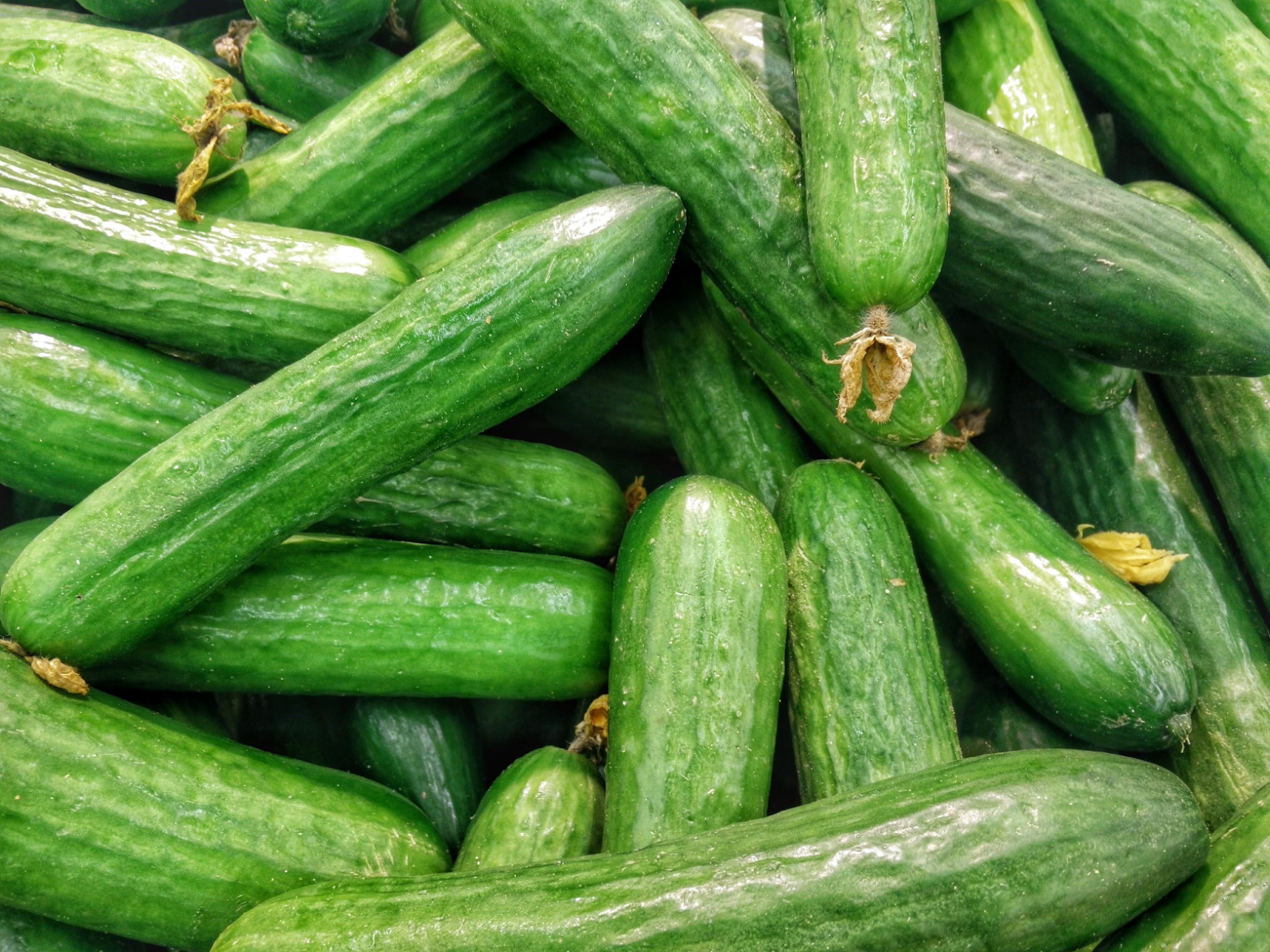
Since the point of greenhouse is to continuously grow throughout the year, we want to look at year round plants for the bed. The thing is that since it is year round, we need crops that can handle a large range of temperatures and conditions. These are the plants I mentioned in the last article which are going to be more useful here than in the hydroponics system. Many root plants are able to tough out the winter, so that includes plants like carrots, beets, and radishes. We are able to change plants after harvest, so we also want to look at plants more suited to the hotter temperatures of the summer, like peppers, cucumbers, and tomatoes. We still haven’t finalized the choice for what we will plant in the outside bed, but since we have so many possible choices, we could even cycle through all of them over time.
We want to find the most optimal plants to grow in our hydroponics system to make it as efficient as we can.
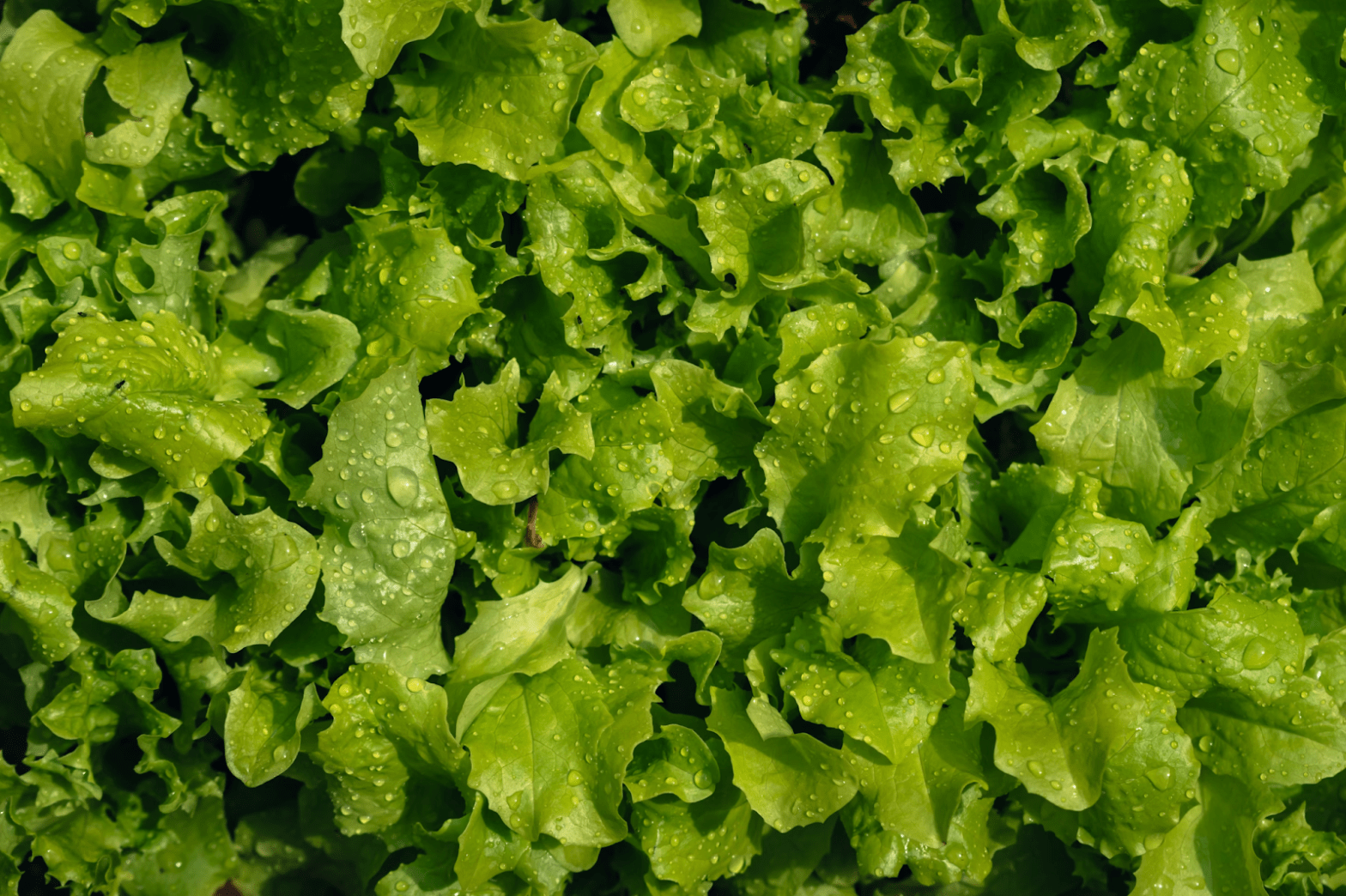
All sorts of plants are actually suitable to grow in hydroponics systems, but different plants work better with specific systems. With the way ours is configured, we should avoid vine plants and since we are using hydroponics, we want to make use of its ability to grow plants under stable conditions, so we will try to avoid tougher crops. We will have another use for those plants later. Some of the most popular hydroponics plants are the leafy greens, with lettuce being a big one. We want to grow commonly eaten plants, so we were considering ones like strawberries, but we ultimately decided on lettuce for its versatility and low maintenance.
Now with the outer wall completed last week, we want to add a bit of support to it. The plan is to split the space between the inner and outer walls into a large plant bed and then two side storage spaces. The two storage spaces would be in the different parts of the walls being the space formed by the hallway walls and closing outer walls. We cut wood walls to fit in the space, stained them, and screwed them into place. One of the storage spaces would be used for our water tank that would feed into the hydroponics system. So far, the other space is still undecided, but we may use it for another system in the future.








 Climate Roots