
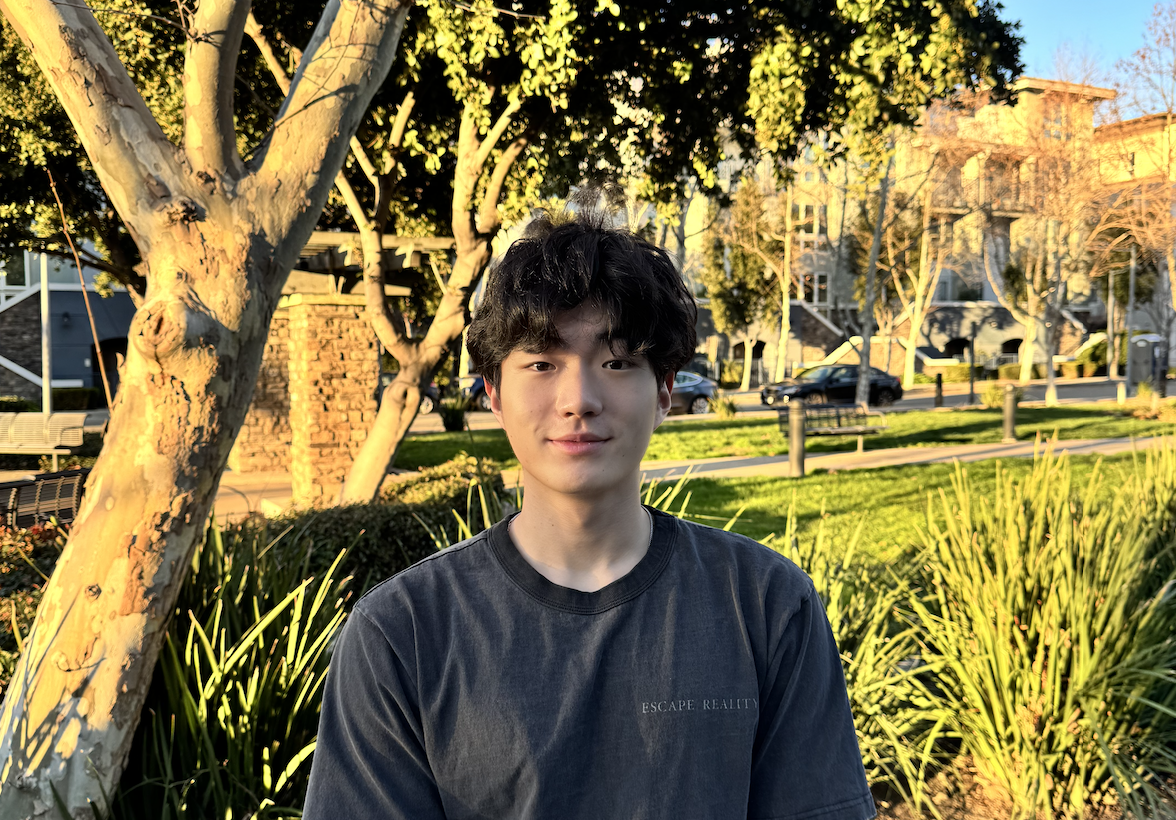
We are excited to announce that Justin Kim will be joining us as the social media content creator for the Healthy Recipes program! Justin is a second-year graduate student studying manual therapy and holistic health. His views on nutrition and health have inspired him to directly impact people’s health goals. Beyond his studies, Justin loves cooking and creating videos. By combining his hobbies and perspectives, he will take charge of creating some of our Instagram posts; he aims to create informative yet entertaining content that promotes our healthy and affordable dining recipes program. We’re excited to see Justin’s artistic contributions on our social platforms!
Thank you, Dale’s Hardware
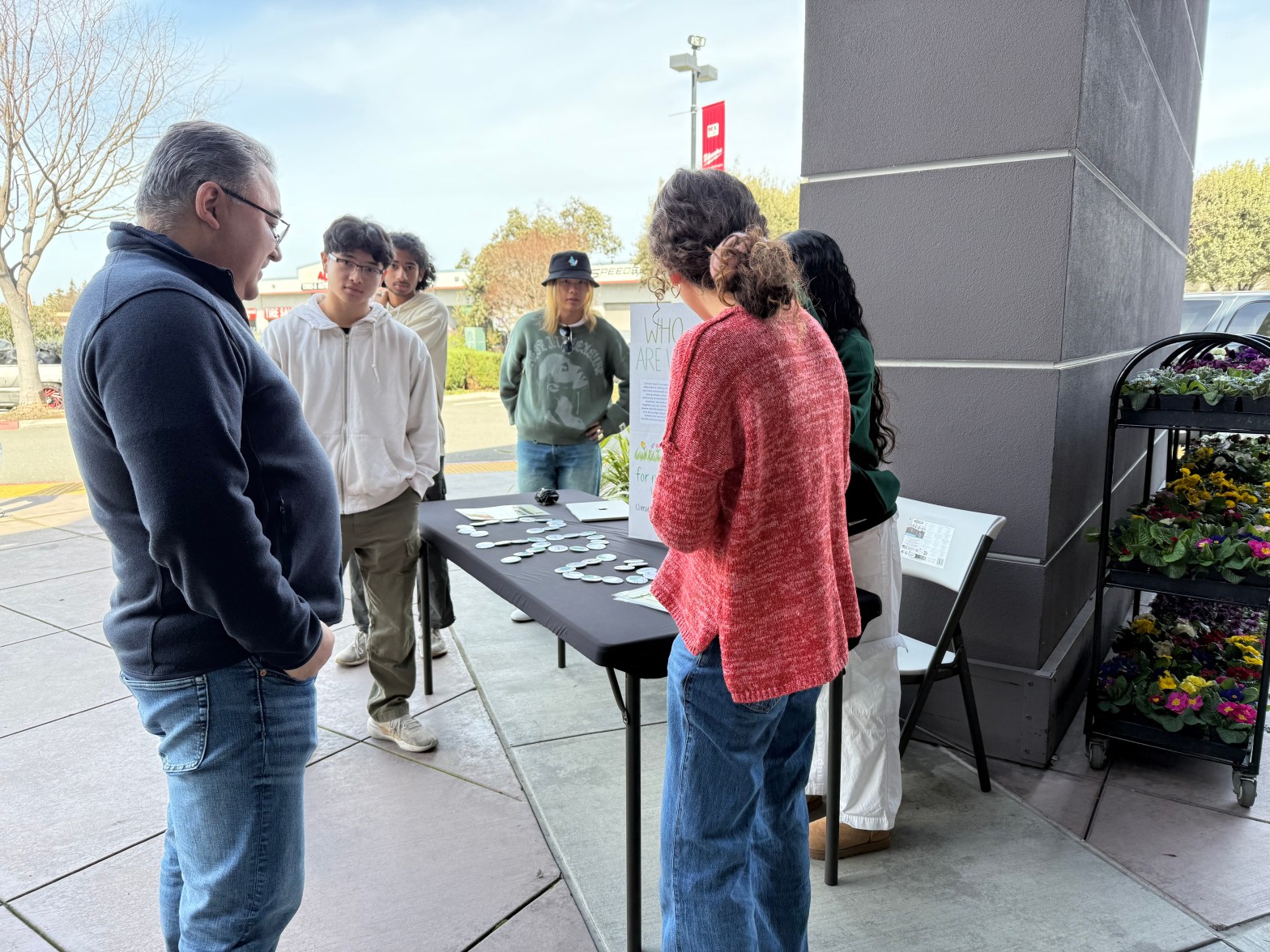
We sincerely appreciate Dale’s Hardware for allowing us to set up our booth outside the store February 15 & 16. This opportunity helped us connect with the community, raise awareness about our mission, and promote the upcoming Entrepreneurs for Planet Earth Competition.
Over the weekend, we had tons of engaging conversations with people, many of whom were excited to learn about sustainable food movement in Fremont. We made valuable connections to further our mission. Thank you, Dale’s Hardware!
Climate Change Forum

On Saturday, March 25th, we had the opportunity to attend the Climate Change Forum at Sunnyvale Presbyterian Church, an intergenerational climate discussion co-hosted by Elders Climate Action and Silicon Valley Youth Climate Action and sponsored by AAUW Sunnyvale-Cupertino. It was an incredible experience to connect with people across generations, all united by a shared passion for environmental action. We took away a lot of insight from the presentation and speaker panel, including student activists from the SVYCA and representatives from the city council. It was truly inspiring to see how students and elders came together to discuss climate issues, take action, and remind us of the power of intergenerational climate action.
Thank you so much to the organizers for hosting such a meaningful event and inviting us!
Thank you for your support!
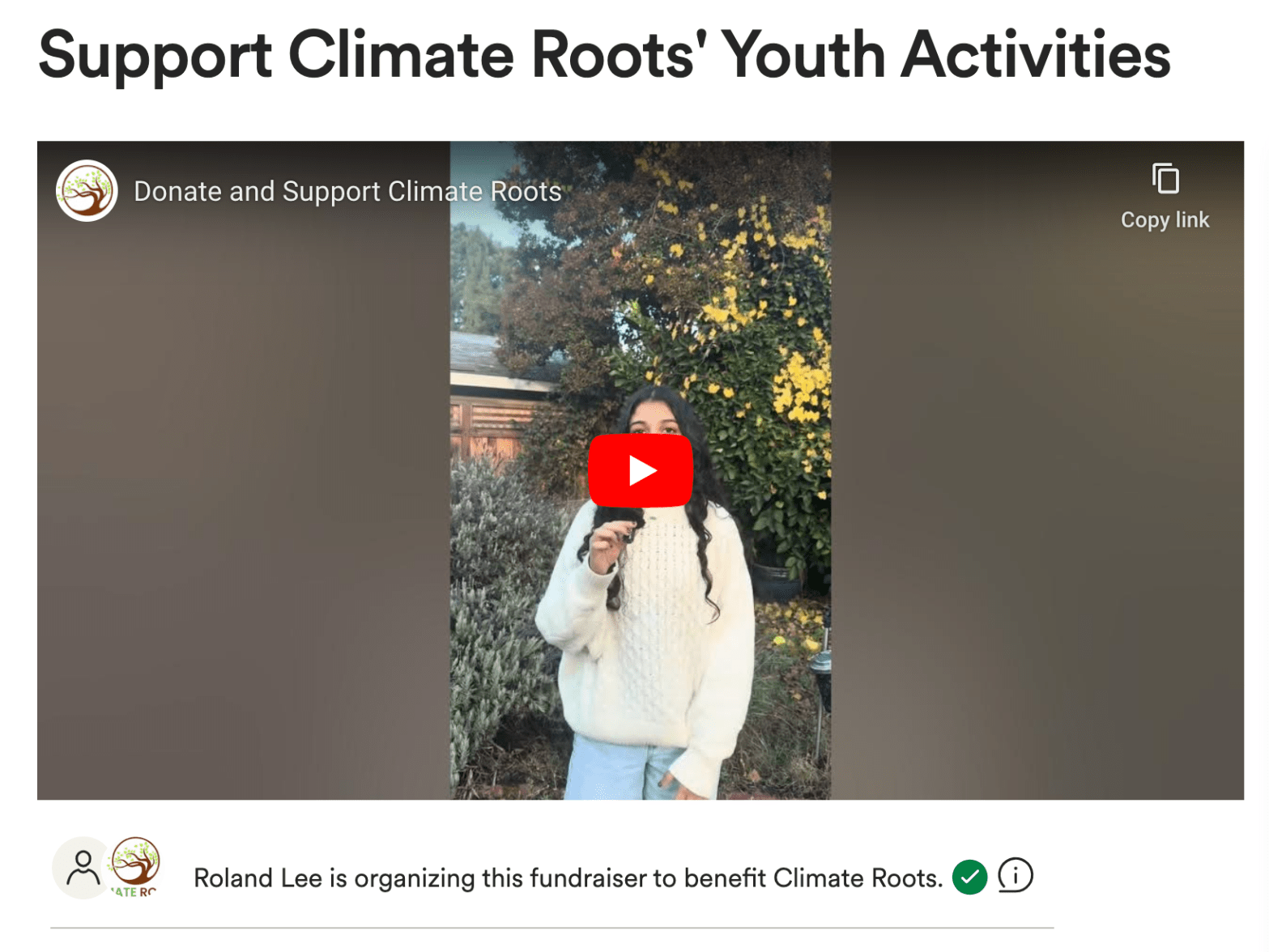
We’re thrilled to share that, with your generous support through GoFundMe and other avenues, Climate Roots has fundraised over $3,000! Your contributions are key in turning big ideas into impact.
Thanks to you, we’ve recently launched Entrepreneurs for Planet Earth, a business competition engaging young minds in the production and distribution problems of food waste and empowering them to tackle food insecurity!
We couldn’t have reached this milestone with you and we can’t wait to show you what’s next! Thank you!
Launching Entrepreneurs for Planet Earth
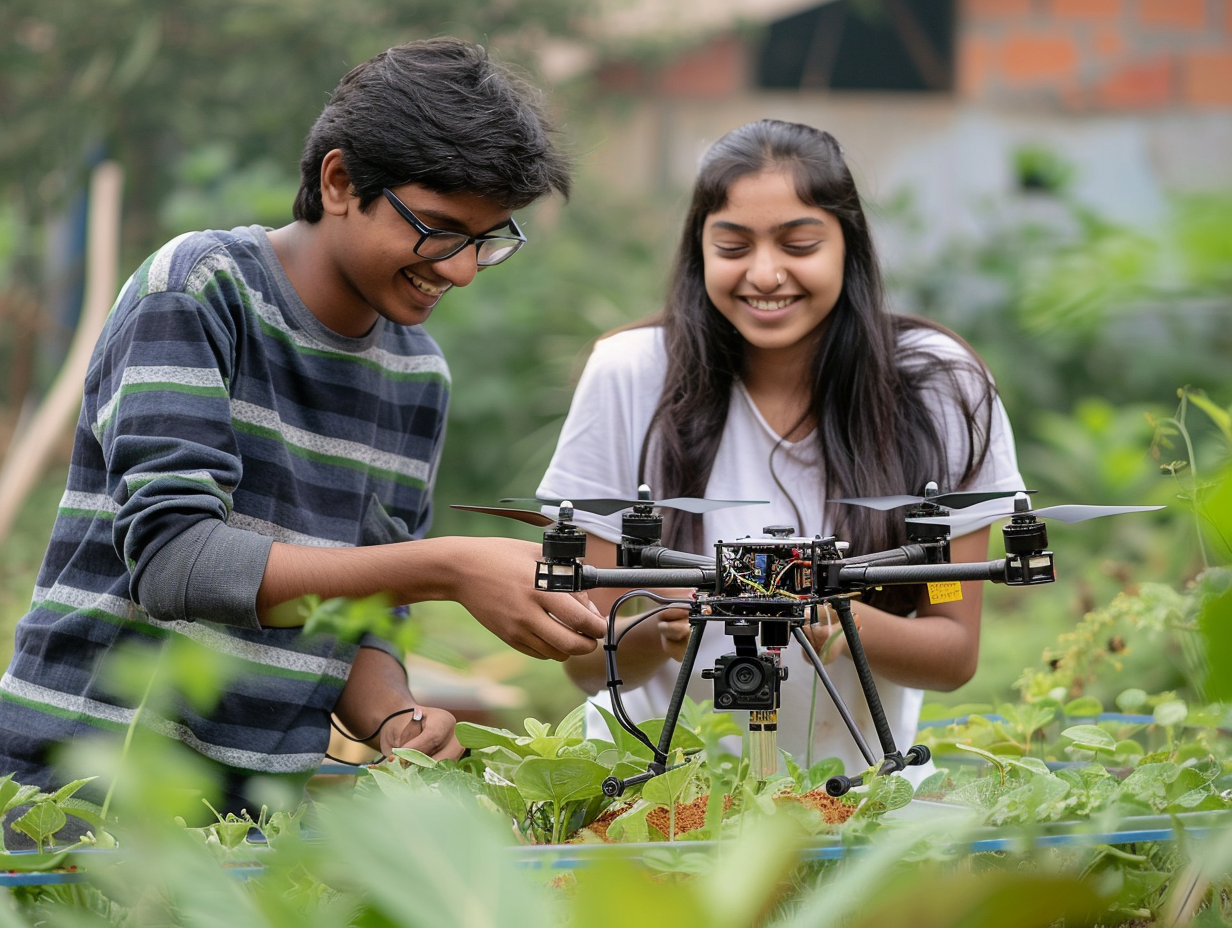
Exciting news for young entrepreneurs passionate about making a difference! The Climate Roots’ Entrepreneurship Competition is now live and accepting applications from middle and high school students. This innovative competition, hosted by us, challenges young minds to develop sustainable business ideas that address food insecurity while creating a lasting impact on both planetary and human health.
Competition Details
Who can participate: Open to all middle and high school students!!
Prizes:
1st Place: $1,000
2nd Place: $500
3rd Place: $300
Why Participate?
This competition offers a unique opportunity for people passionate to:
- Develop practical business skills
- Create sustainable solutions for real-world problems
- Gain valuable experience in entrepreneurship and climate action
- Make a step-by-step impact on their communities
How It Works
Participants will work on building business ideas that tackle food insecurity while considering environmental sustainability. The competition encourages creative thinking and problem-solving skills, allowing students to explore the intersection of entrepreneurship and climate action.
To help inspire participants, sample videos are available to showcase projects that are to the level of what is expected and provide guidance on developing ideas.
Here’s an example below. You can check out our full playlist linked here.
Join the Movement
Entrepreneurs for Planet Earth Competition is more than just a contest. It’s a platform for young students to make a real difference. Don’t miss this chance to be part of a solution to one of our world’s most pressing issues. Remember, the future of our planet depends on the actions we take today. Are you ready to rise to the challenge and become an entrepreneur helping the planet and its inhabitance?
Environmental Stewardship

Environmental stewardship as defined by Wikipedia refers to responsible use and protection of the natural environment through conservation and sustainable practices.
There are 3 types of environmental stewards: doers, donors, and practitioners.
- Doers go out and help the cause by taking action. For example, the doers in an oil spill would be the volunteers that go along the beach and help clean up the oil from the beaches.
- Donor is the person that financially helps the cause. They can do anything from donating their money, to hosting public events to raise funds.
- Practitioners work on a day-to-day basis to steer governmental agencies, scientists, stakeholder groups, or any other group toward a stewardship outcome.
These 3 groups make up environmental stewards to keep the ecosystem running healthily. Anybody can be an environmental steward by being aware and knowledgeable of the world around them and making sure they do as little as possible to negatively impact our world. Without these groups it would be hard to get any sort of sustainability in our increasingly industrially based world.
What type of environmental steward are you?
Fremont Planting Guide
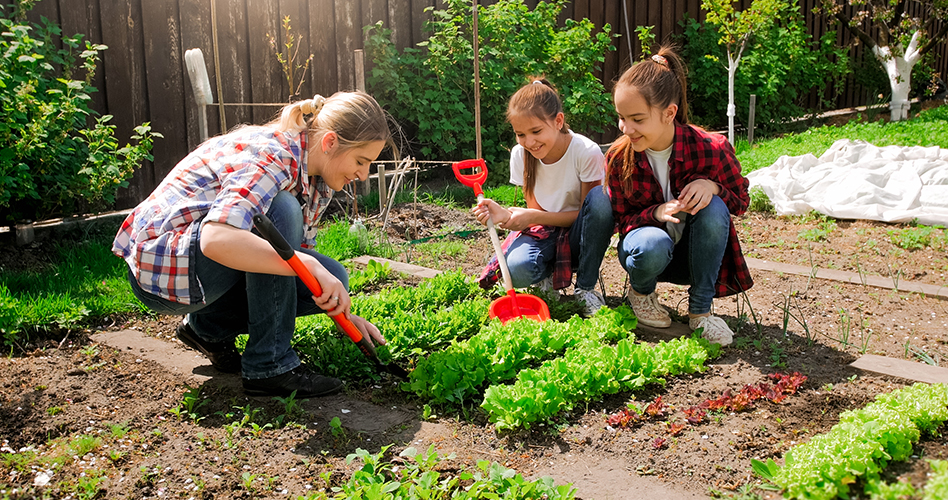
Welcome to Fremont, where the sun is always shining, the soil is mostly cooperative, and the squirrels think they own the place. If you’ve ever dreamed of turning your backyard into a garden paradise—or at least growing something that isn’t immediately devoured by local wildlife—then you’re in the right spot. Gardening here is a bit like hosting a dinner party: you’ve got to pick the right guests (plants), serve up plenty of drinks (water), and hope that nobody brings along any uninvited pests. But don’t worry; we’ve put together this planting guide to help your garden become the talk of the town—at least among the bees and butterflies.
Meet our Youth Leaders (2024-2025)
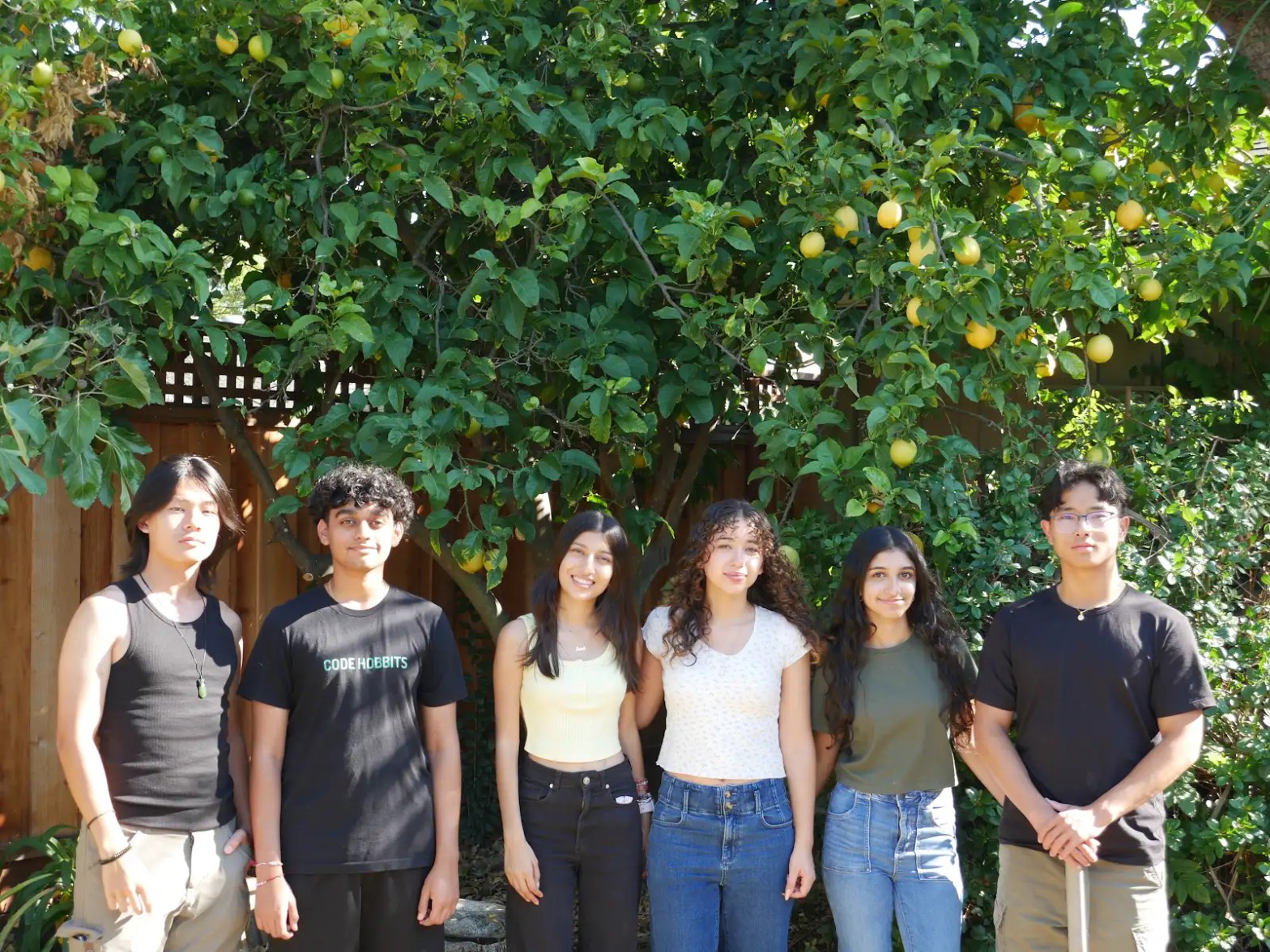
Avni Goyal
President
Avni is a high school junior interested in computer science and mathematics. She has a curious personality and is passionate about giving back to her community.
Annika Jain
Council Member
Annika is a high school sophomore interested in entrepreneurship and computer science. She’s a very social and outgoing person, and she is always ready to help anyone!
Arin Thakkar
Council Member
Arin is a high school senior who is interested in artificial intelligence and applied mathematics. He loves playing the guitar and reading science fiction books.
Zyanya Ortiz
Vice President
Zyanya is a junior in high school. She is a problem solver and creative thinker who loves art. She is always exploring new hobbies that drive her to positively impact her community.
Roland Lee
Council Member
Roland is a high school junior who is interested in engineering. He is passionate about sharing his knowledge through tutoring young kids and maximizing his own potential.
Kenric Hoang
Council Member
Kenric is a high school senior interested in mathematics. He is an avid reader and can be found reading anything from fiction to calculus!
Peppers love basil

My definition of companion planting is very basic, one might even say, primitive. Companion planting — grow many things, mix up veggies with flowers with herbs, and let nature do the rest. The beauty of this approach lies in its simplicity. By combining different plants in the same space, we create a diverse, thriving ecosystem that benefits both the garden and the gardener.
Take, for example, the classic duo of peppers and basil. These two are like the Batman and Robin of the garden world. Basil not only repels pests like aphids, spider mites, and mosquitoes, but it also makes your peppers taste like they’ve been on a culinary vacation in Italy. In return, the peppers provide shade for basil, helping it stay cool under pressure—because nobody likes a wilted basil, not even the pests.
The magic of companion planting doesn’t stop with pest control. When you mix up your garden beds with a variety of plants, you also attract a wider range of beneficial insects. Bees and butterflies, drawn to the bright flowers, help pollinate your veggies, while ladybugs and lacewings keep harmful pests in check. This creates a natural balance, reducing the need for chemical interventions and allowing your garden to thrive organically.
In the end, companion planting is about creating a garden that’s as lively and quirky as you are. So, go ahead—plant your peppers next to your basil, throw in some marigolds, and watch your garden thrive in its glorious, messy harmony. Because if there’s one thing nature teaches us, it’s that sometimes, the best results come from a little bit of chaos.
Enhancing Greenhouse Efficiency with Load Flexibility

In the evolving landscape of sustainable agriculture, controlled environment agriculture (CEA) is playing a pivotal role in ensuring food resiliency. One of the key strategies for optimizing CEA operations is enhancing load flexibility, which allows greenhouses to better manage their energy consumption and integrate more renewable energy sources.
Load flexibility in greenhouses refers to the ability to adjust energy use patterns in response to external signals, such as electricity price changes or grid demand fluctuations. This capability is crucial for reducing energy costs and minimizing greenhouse gas emissions.
- Energy Management: By adopting load flexibility, greenhouses can shift their energy consumption to times when electricity is cheaper or more abundant. This not only cuts costs but also reduces the strain on the electrical grid during peak demand periods. For instance, non-essential lighting and heating can be deferred to off-peak hours.
- Integration with Renewable Energy: Greenhouses equipped with load flexibility can synchronize their operations with the availability of renewable energy sources like solar and wind. This synchronization helps in maximizing the use of clean energy and reducing dependency on fossil fuels.
- Resilience and Sustainability: Load flexibility enhances the resilience of greenhouse operations by providing a buffer against energy price volatility and supply disruptions. It also contributes to the sustainability of food production by lowering the carbon footprint of greenhouse operations.
To successfully implement load flexibility, greenhouses need to adopt advanced energy management systems and smart technologies. These systems can monitor and control various environmental parameters, optimizing energy use without compromising crop yield or quality.
By leveraging load flexibility, greenhouses can not only improve their operational efficiency but also contribute significantly to the global efforts in reducing greenhouse gas emissions and promoting sustainable agriculture.
 Climate Roots